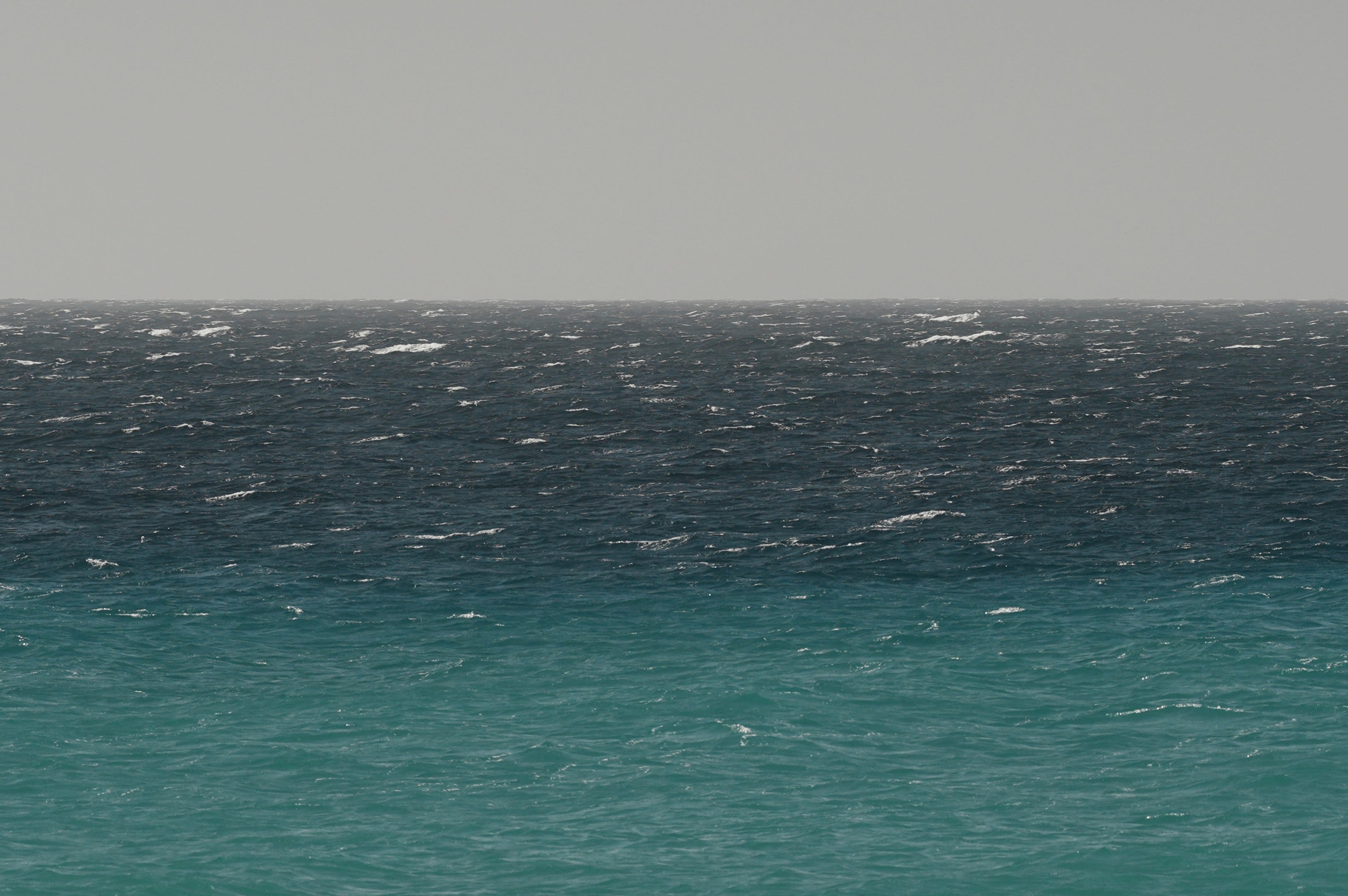
Today I’m going to talk about a hidden superpower that you also have, even if you don’t realize it yet.
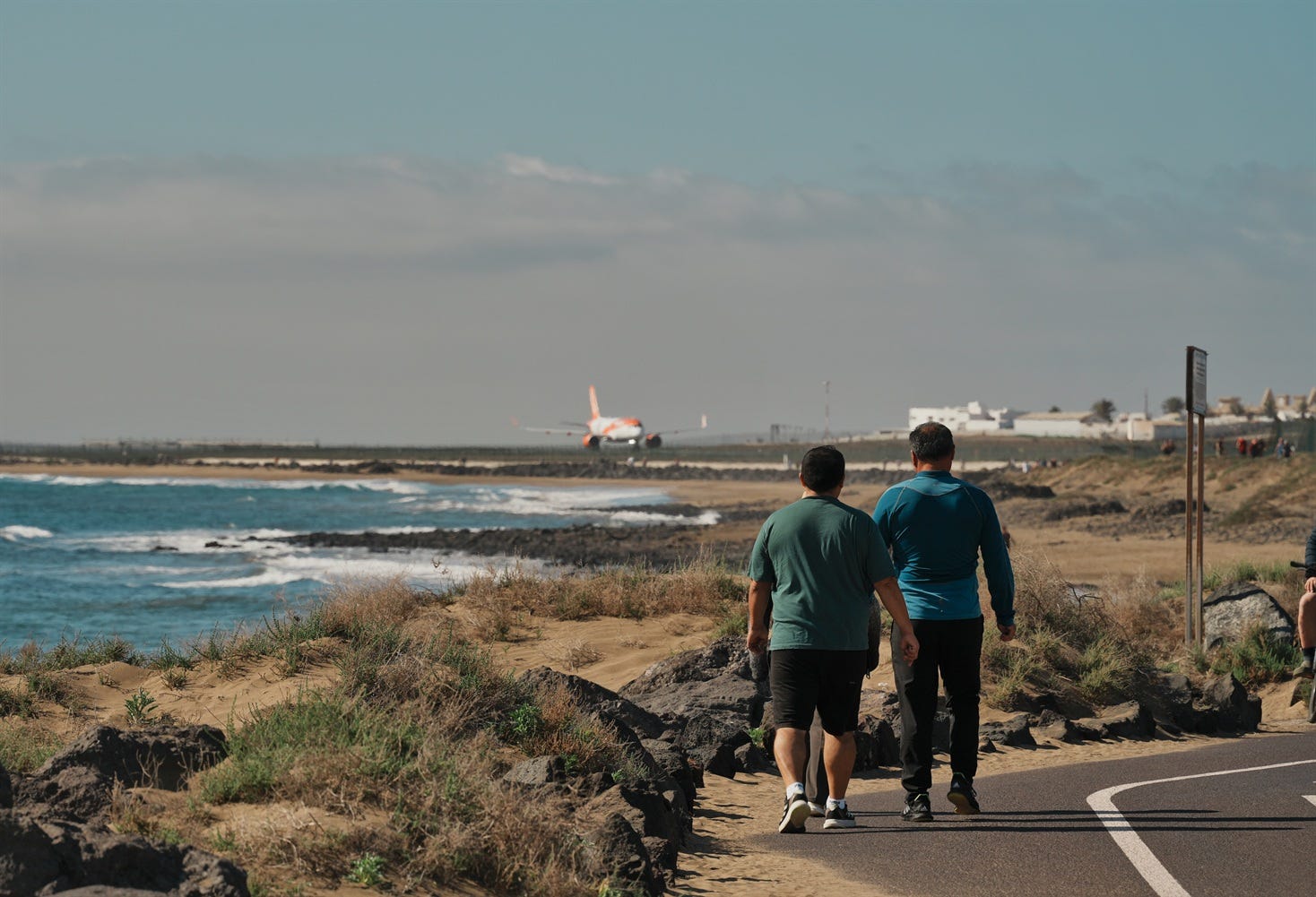
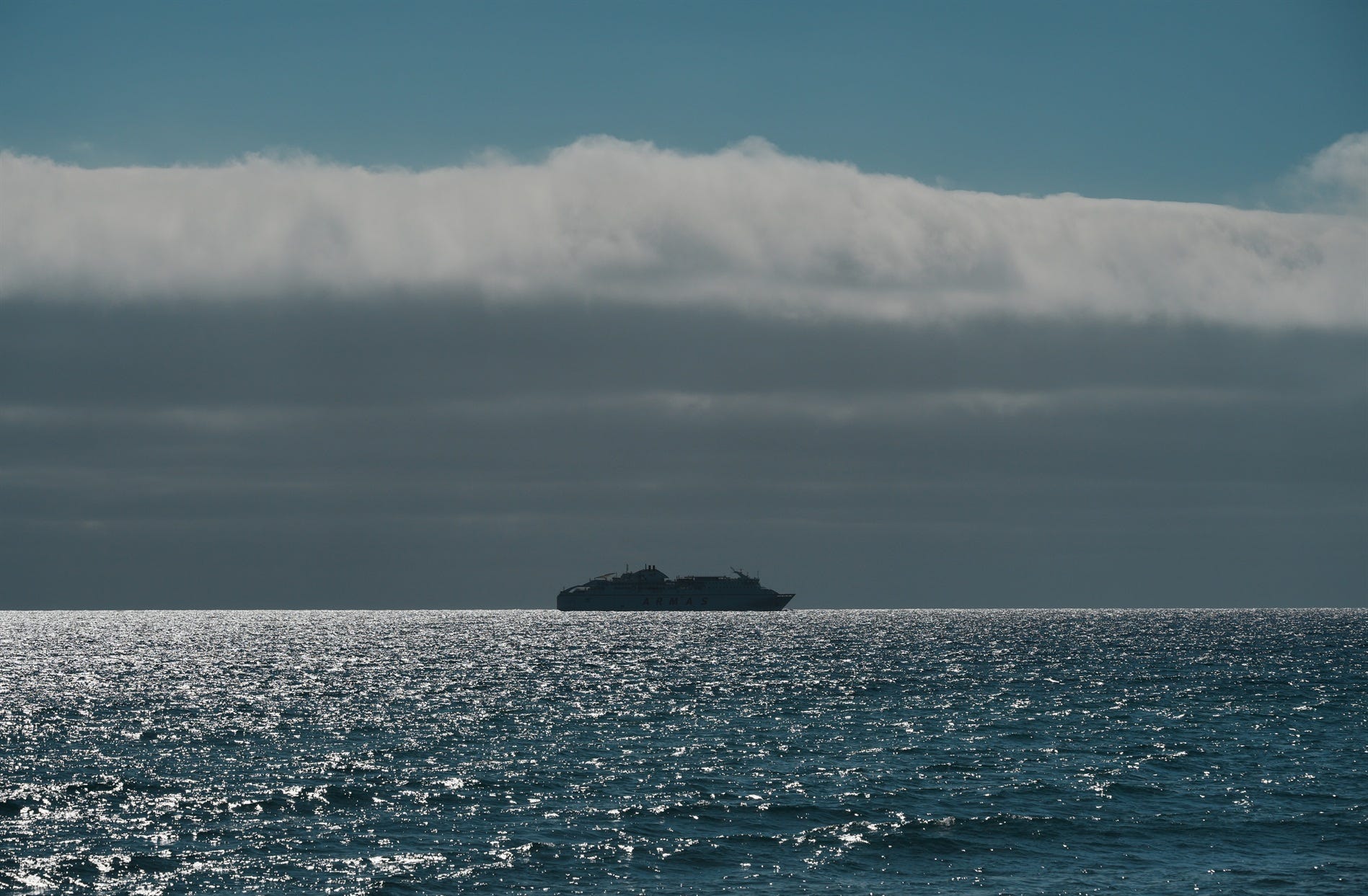
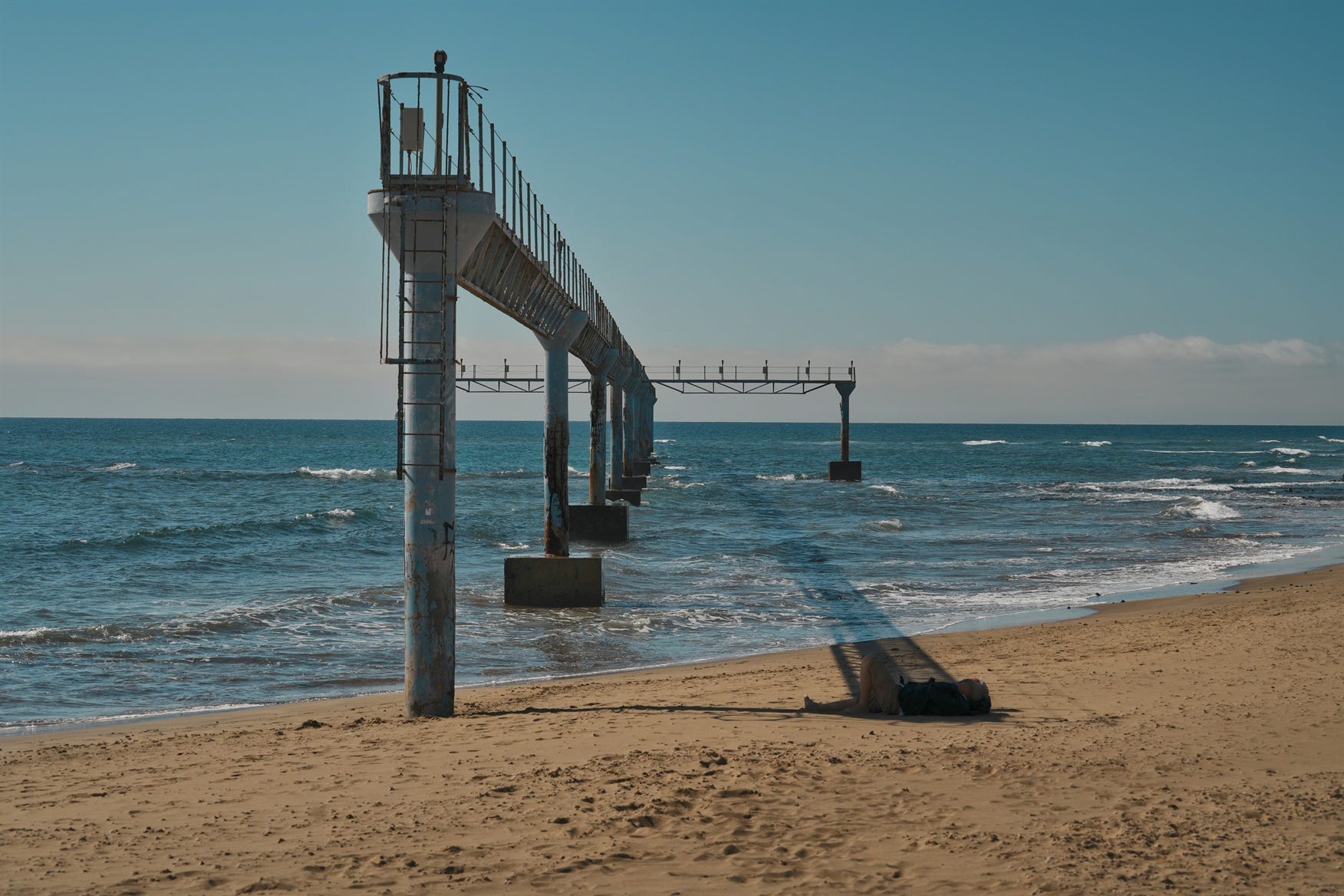
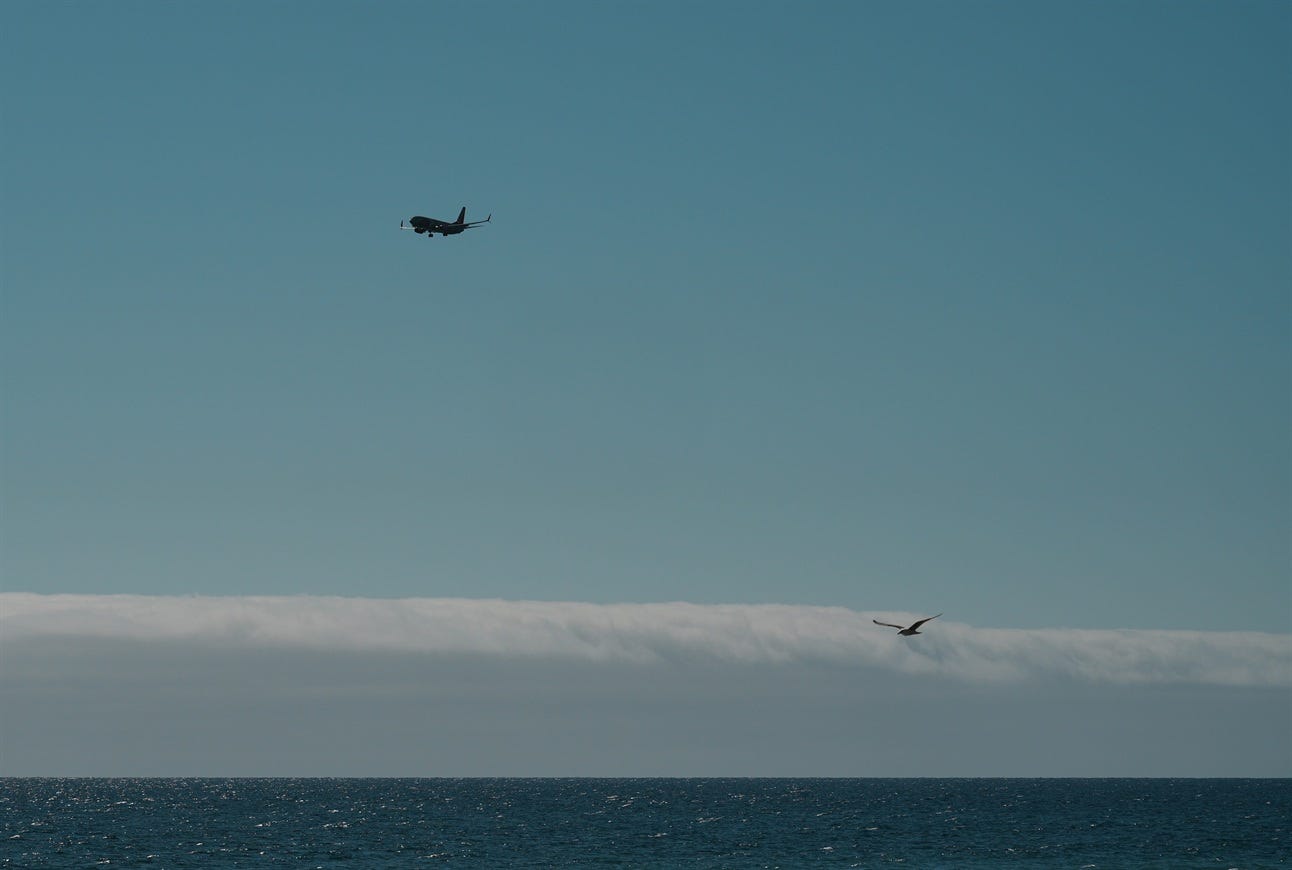
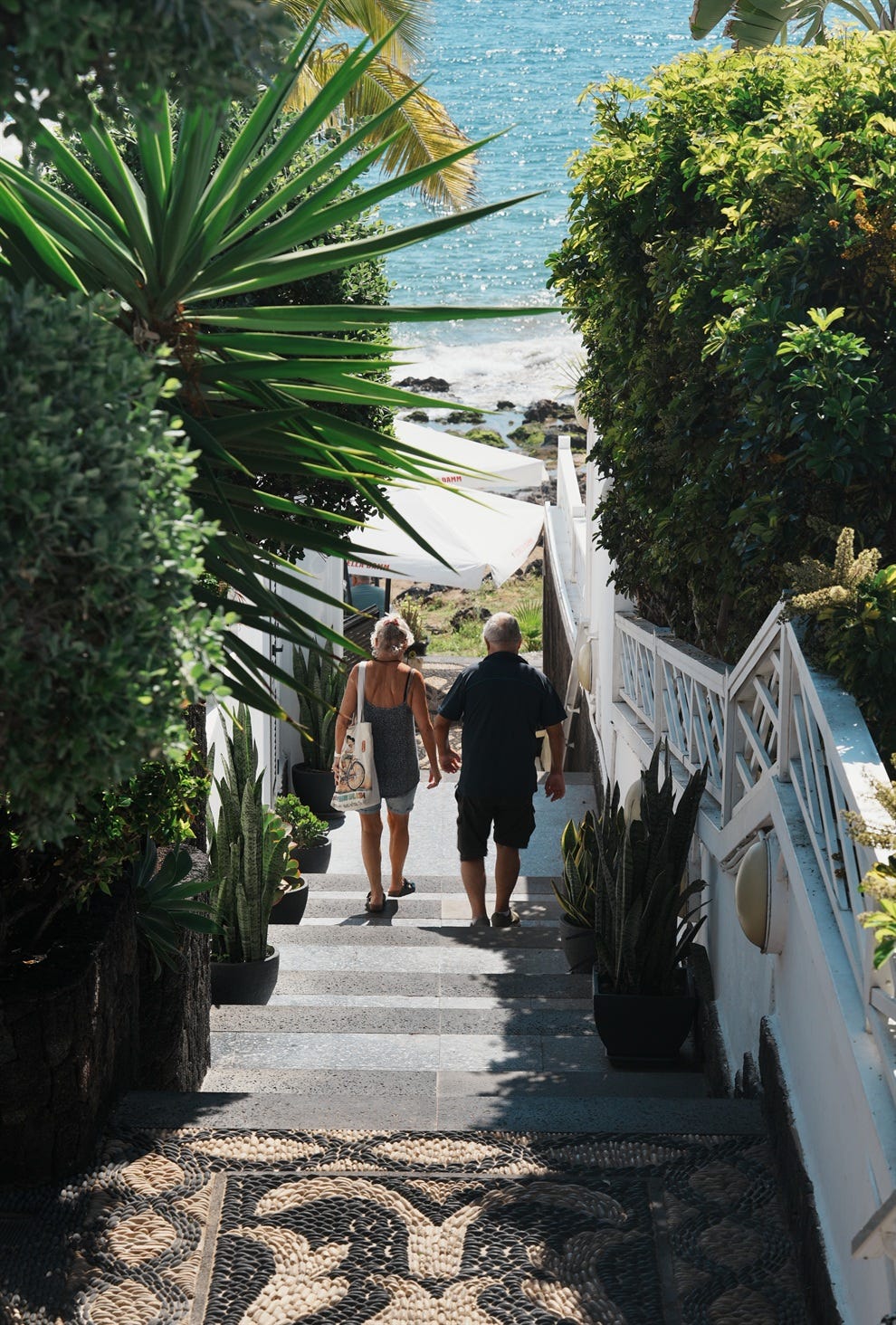
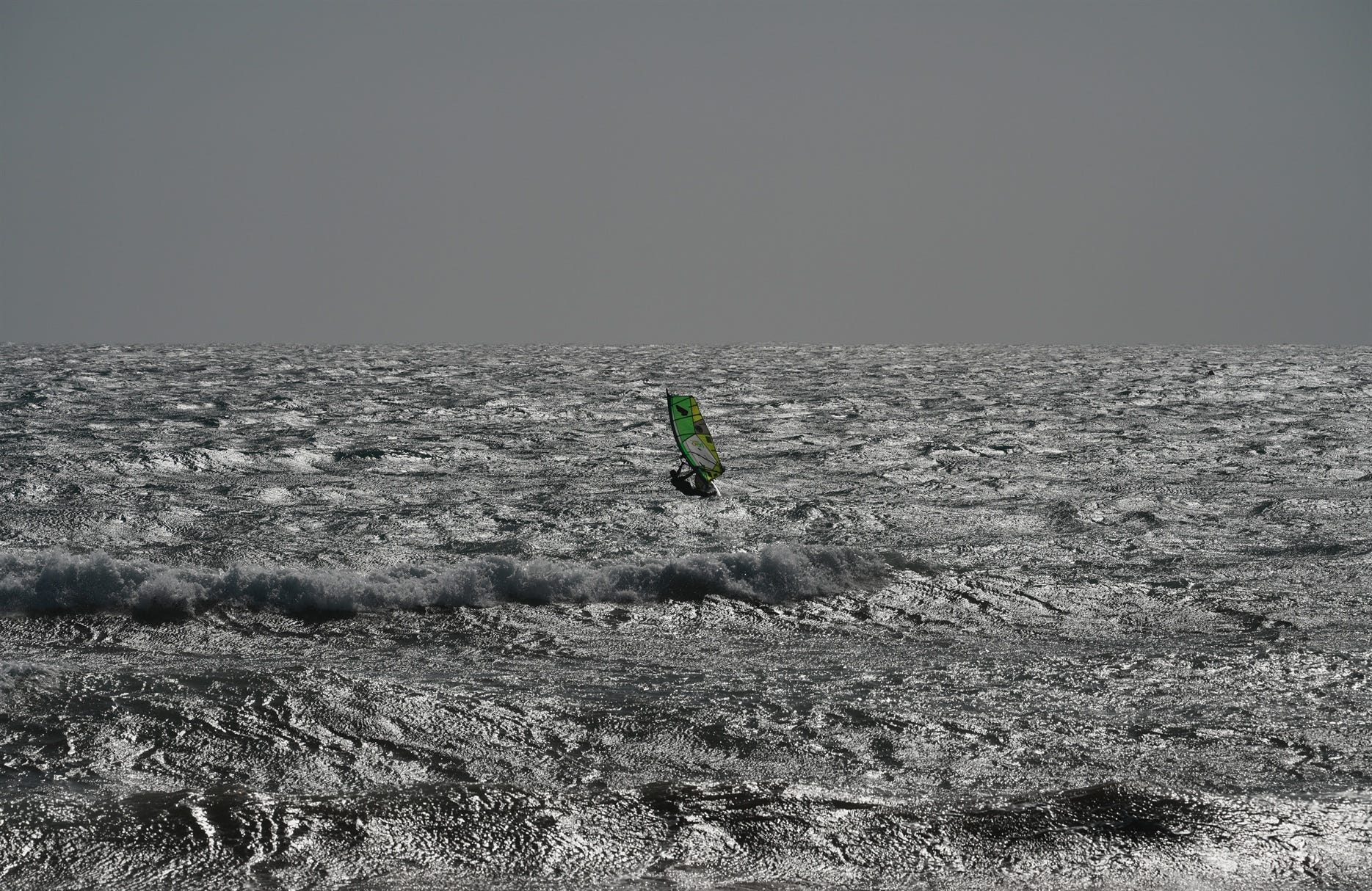
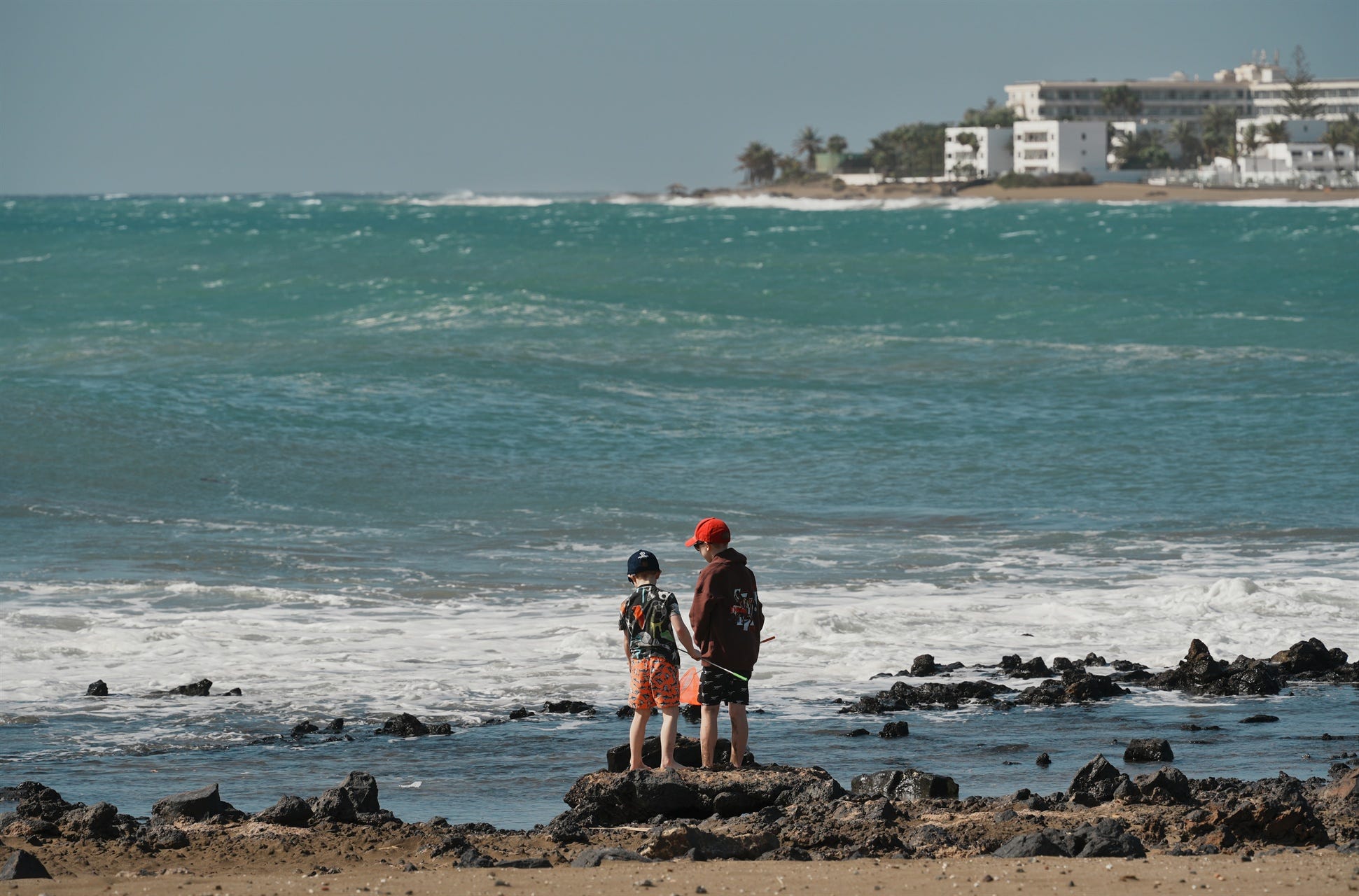
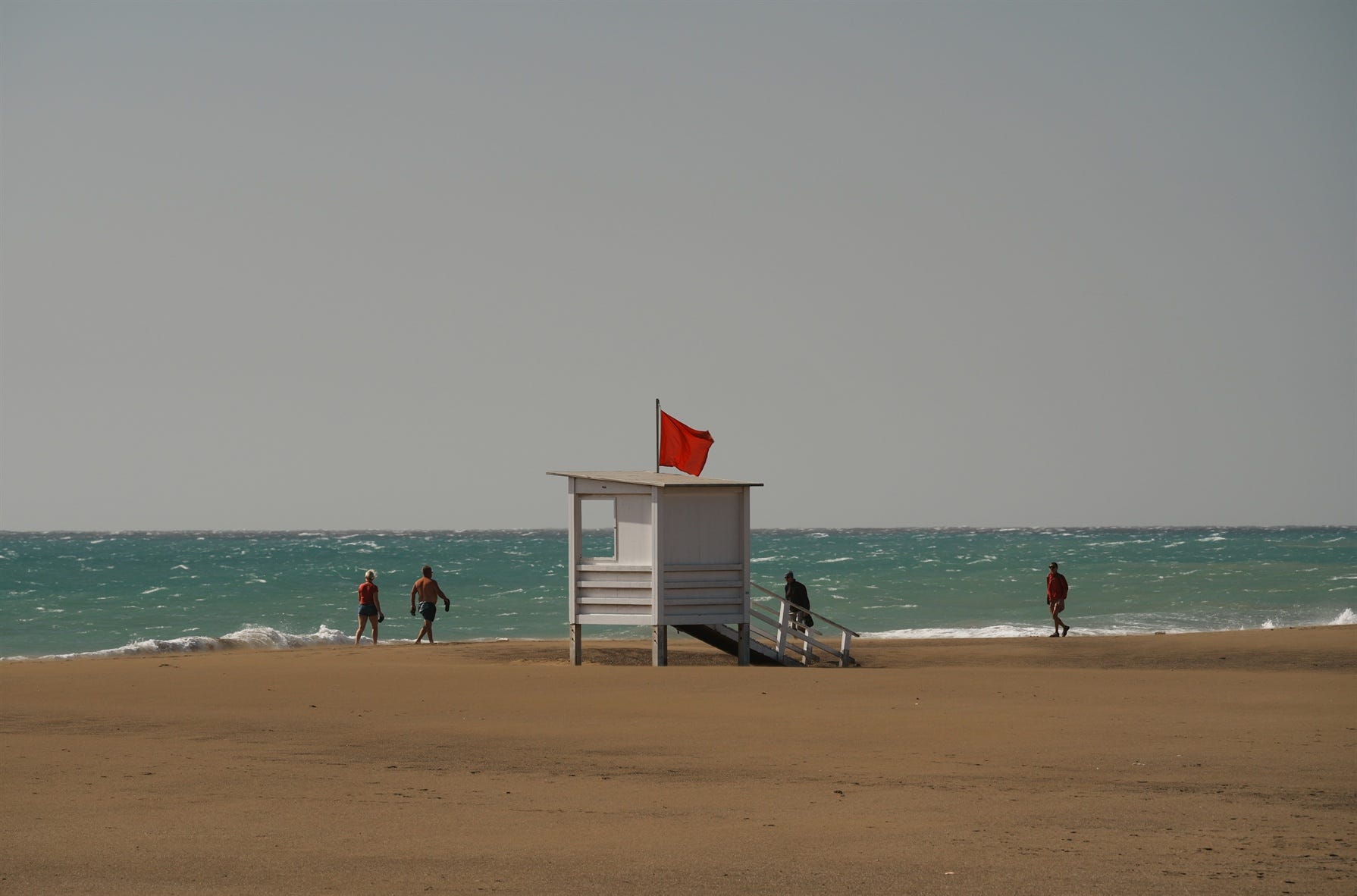
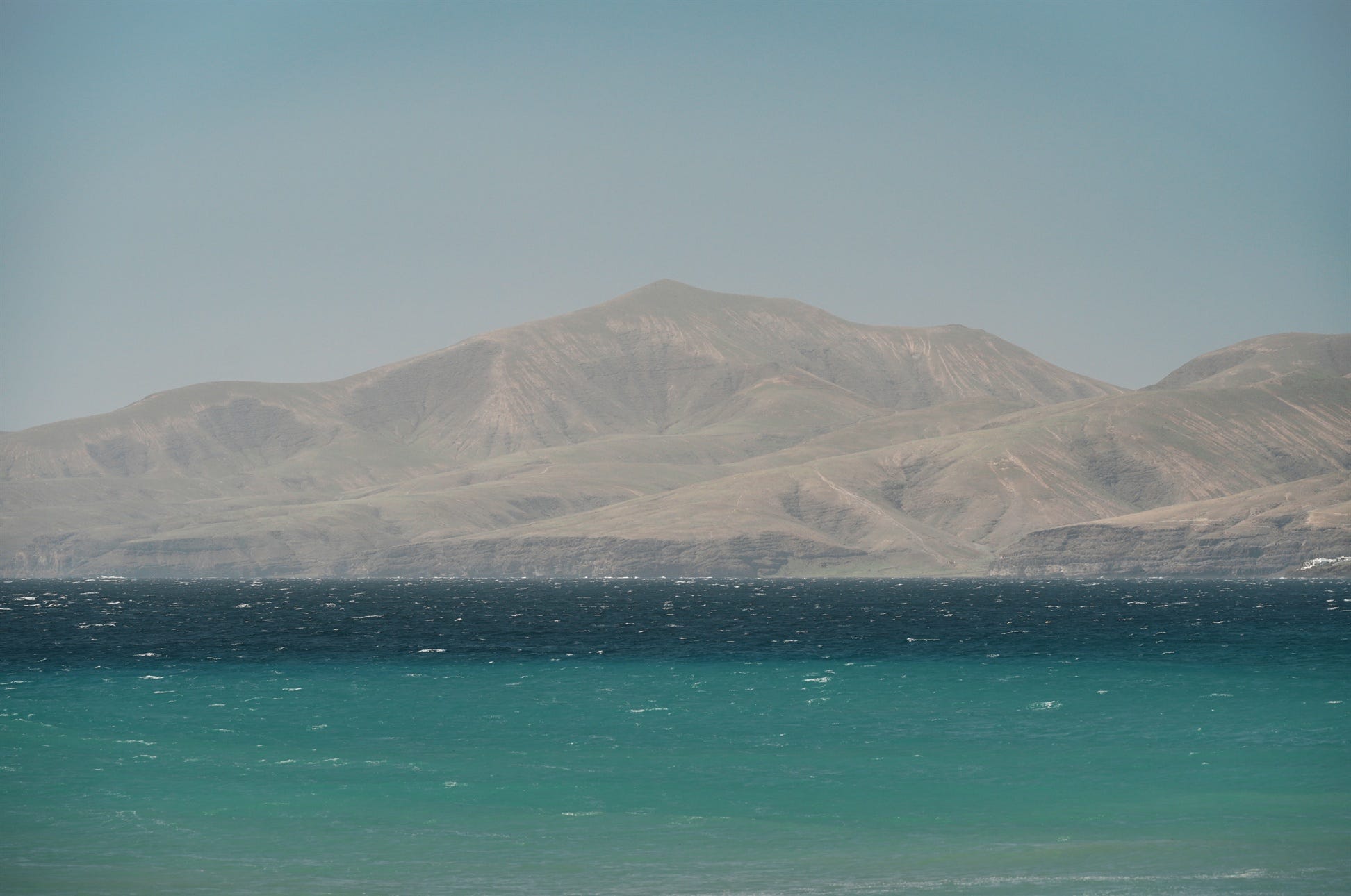
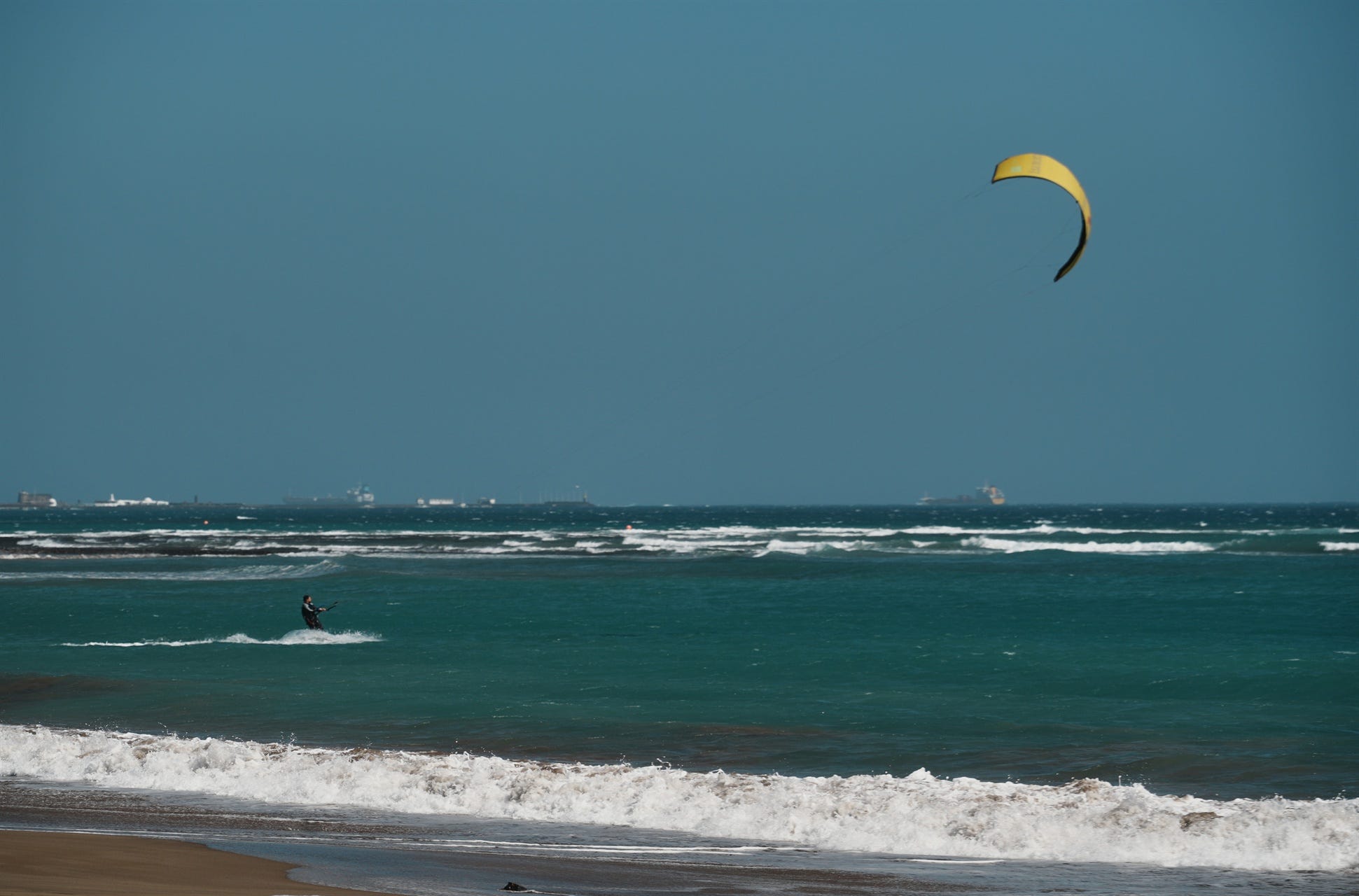
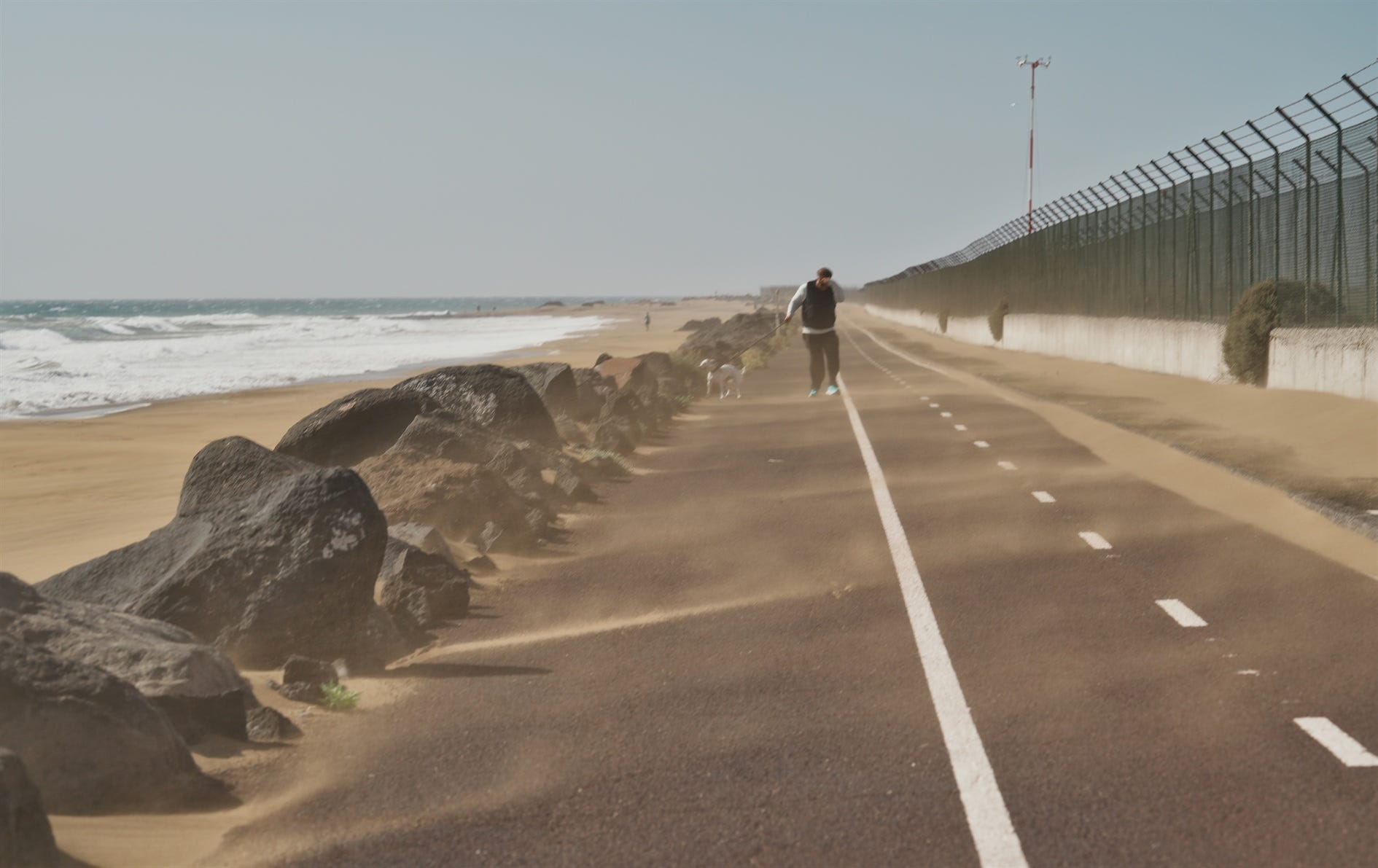
As you’ve probably noticed from recent posts, I always take the same walking route. It’s a long path that takes me about three and a half hours round trip. It has two distinct parts: first a stretch that runs along the sea, with the airport on one side and the beach on the other, and then it turns into a street that still follows the coastline but now runs through the tourist urban area.
The views are beautiful, the quality of life on this island is amazing, and overall it’s a paradise. But I’ve already explained here that this kind of photography doesn’t interest me at all and that, for me, it feels like a prison that limits my creativity. Still, this life and artistic project demands discipline and consistency, so whenever possible I leave the house with the camera because—even if I don’t feel like photographing what’s there—I need to keep my senses sharp.
Here’s the thing: although I almost always do this same walk with the camera in hand, sometimes I don’t. And right from the start I noticed something striking. Physically it’s the exact same route, yet my experience of walking it is completely different depending on whether I’m carrying the camera or not.
When I don’t have the camera, I walk lost in my thoughts, sometimes listening to music or some interesting content, and occasionally glancing at something curious that catches my eye. But since I’ve seen these places a thousand times and know every grain of sand, every walk is just another walk.
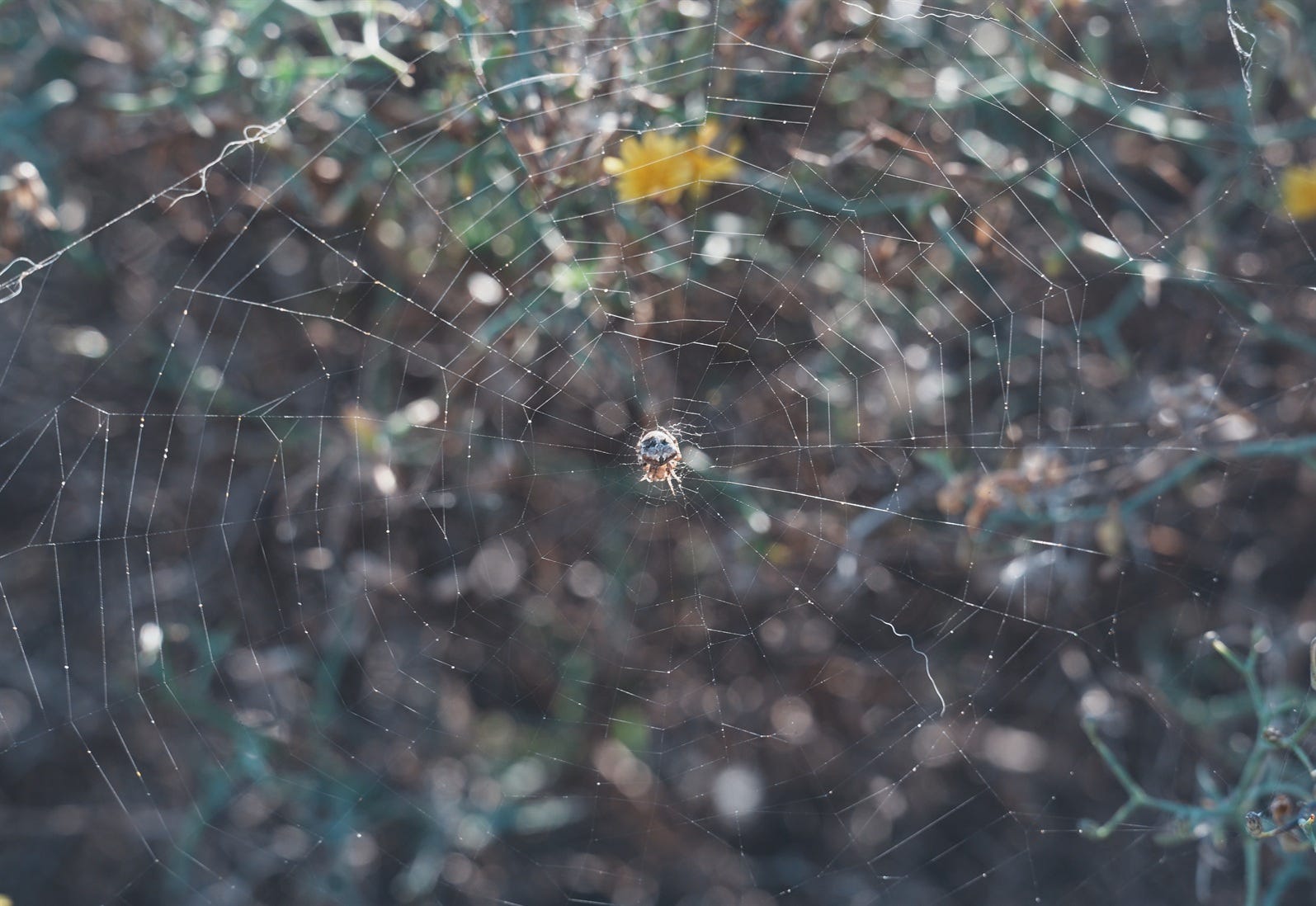
Now, when I do have the camera and I’m in hunting mode, the path becomes something else entirely. I scan everywhere, I’m hyper-aware of every detail around me, I notice both the big picture and the tiny things, I unconsciously and instantly evaluate every potential frame to decide whether there’s a shot worth taking, and my photographic eye is wide open. Suddenly the world around me turns into something much richer and more intense, and I feel deeply connected to it.
At first, when you’re just starting in photography, people talk about “the photographer’s eye” and you take it as some theoretical, abstract concept. Sure, some people seem to have a natural talent for seeing interesting things in interesting ways, but that appears to be it.
After you’ve been taking photos for a while, though, you discover a reality no one ever told you about. Capturing things in an image isn’t really the point in itself—it doesn’t matter. It’s only the practical result of something far more important: the real superpower that makes someone a true photographer, which is the ability to connect with the world in a completely different way. When you enter that mode, when you realize your senses can operate differently, when you live that experience yourself, you understand that this is what actually makes the difference. Whether the photos turn out good or bad is almost beside the point.
If you’re curious, try it. You don’t need anything special—not even a proper camera. Your phone is enough. Remember: the photos are just the end product. What you’re after is something that happens and that you live before you even press the shutter. The first few times you probably won’t feel anything special because opening the third eye takes time. The good news is that you don’t have to do anything complicated. Just carve out some time in your life dedicated exclusively to making photographs—or, more accurately, to seeing like a photographer.
At the beginning you’ll come home, look at the day’s shots, see that almost all of them are pretty bad, and feel discouraged. But you’ll be looking in the wrong place. The photos themselves don’t matter. What matters is the experience. Try again the next day, and the day after, and the day after that. Little by little you’ll start noticing something new happening. Those slots you set aside just for taking pictures will begin to feel different. During those moments, you’ll start to become something different.