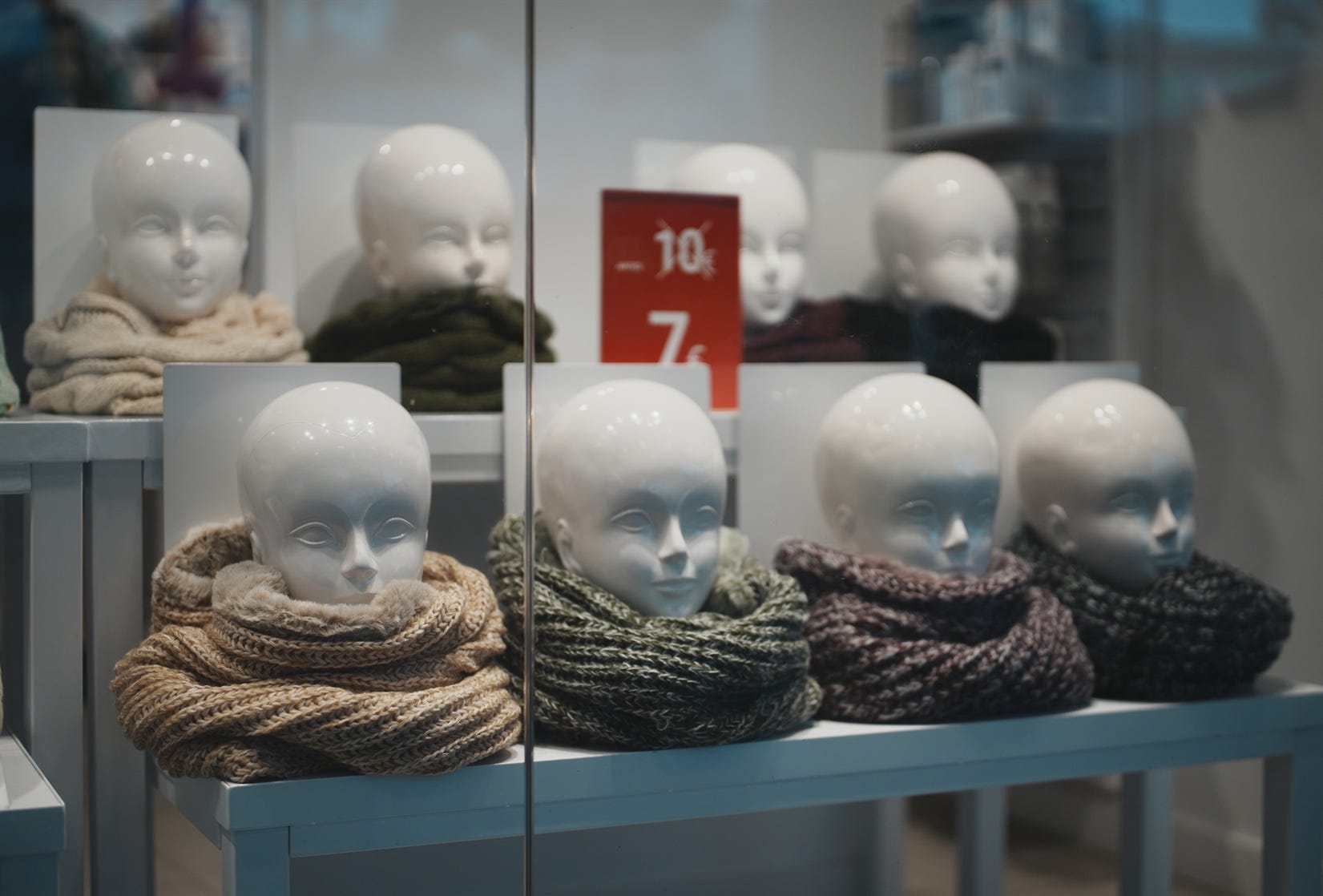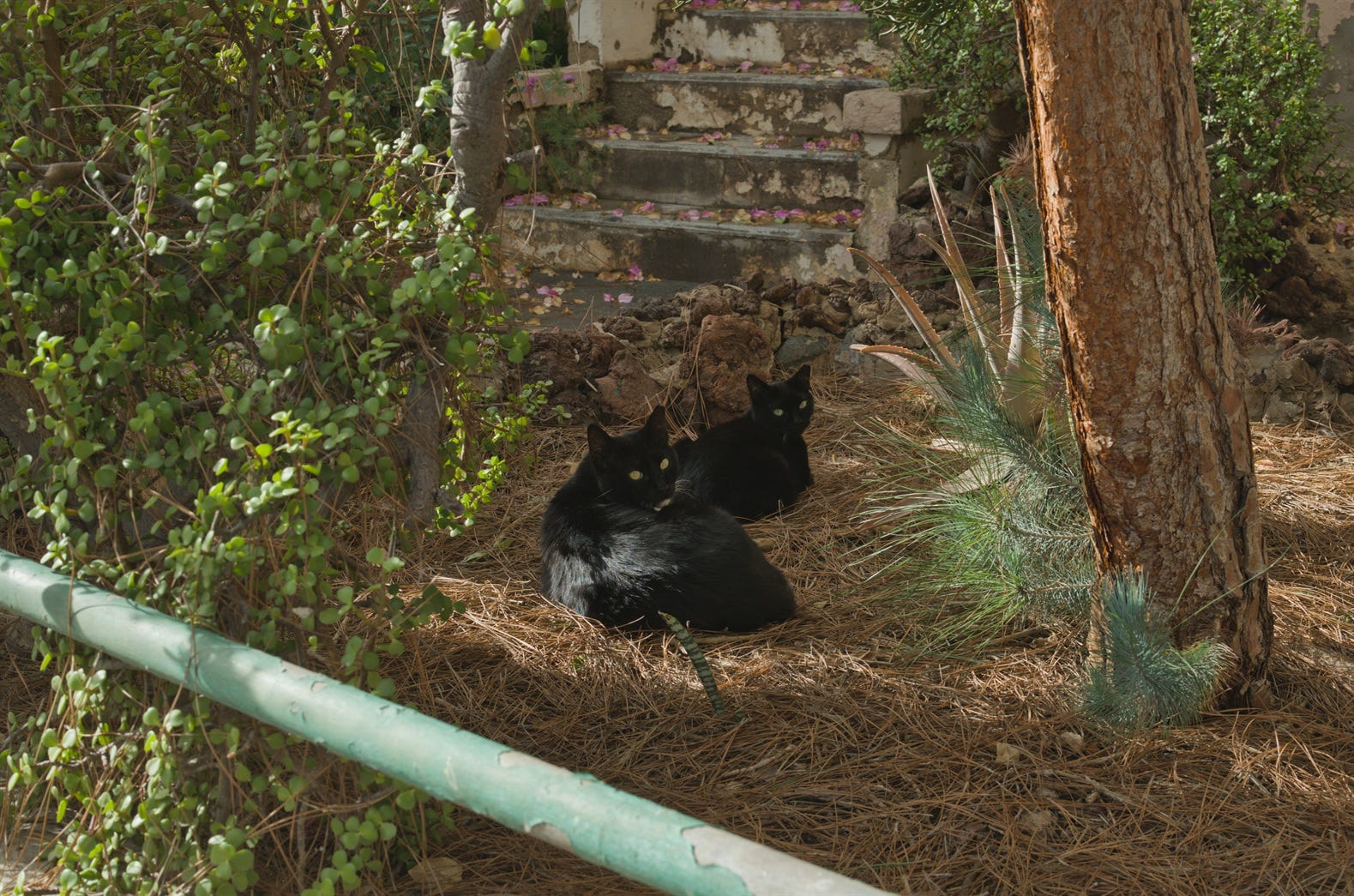
Paper photography is dead.
I mean for the general public. Of course there will always be small niches where certain people still want —and are willing to pay for— specific photos in physical form, but for most people in everyday life, the phone screen is more than enough.
Even though the source might be the same, a photo on a screen is a completely different product from a print you can actually hold in your hands. The digital shift that came with the new century closed one door and opened another, and it permanently changed our relationship with photography: how many we take, how many we look at, how long we spend with each individual image, how and with whom we share them, what purpose they serve or what they give us, and how we react to the ones other people share.
I don’t think this change is inherently good or bad: it simply is what it is. Before, technical limitations gave real weight and value to every photo we took or showed someone. Now we have unlimited photos at zero cost; we can pick whichever one we like best and share it with people we’ve never met on the other side of the planet with one click. The world changed, photography changed, and I don’t see much point in asking which version is “better” because the comparison doesn’t really make sense. They’re separate universes, each with its own strengths and qualities.
But I love photography —all of it: the old kind and the new kind.
And I want both to be part of the How to Become a Ghost project, because each one brings different shades and both are necessary to make the whole thing complete. As I explained in the previous post, I have a very detailed plan for what I’ve decided the rest of my life will be, and that plan also includes how I want to share the photographic record of this journey with you. This blog will be the main axis of the artistic side of the project, but there will also be physical pieces that I’ll show when the time comes.
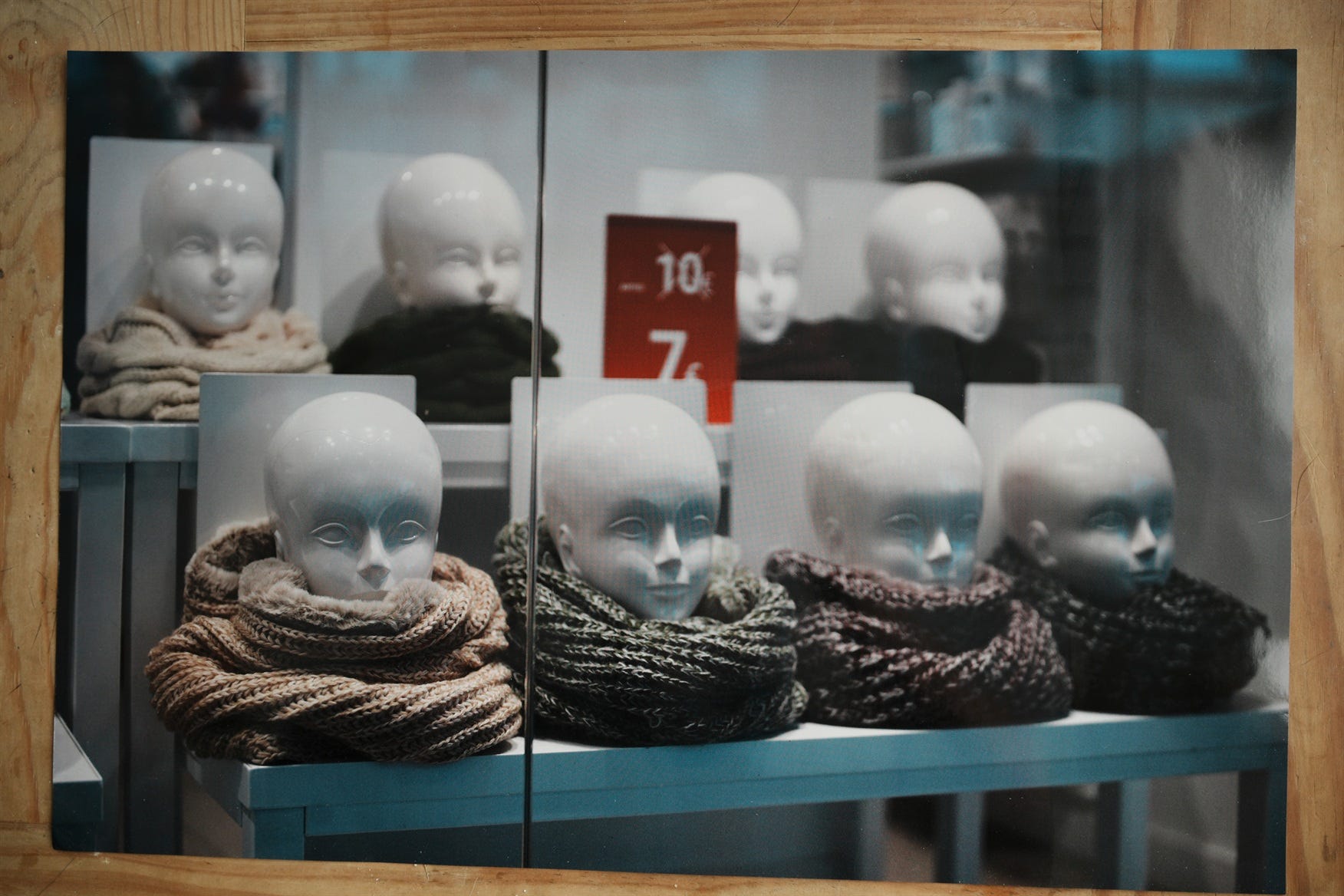
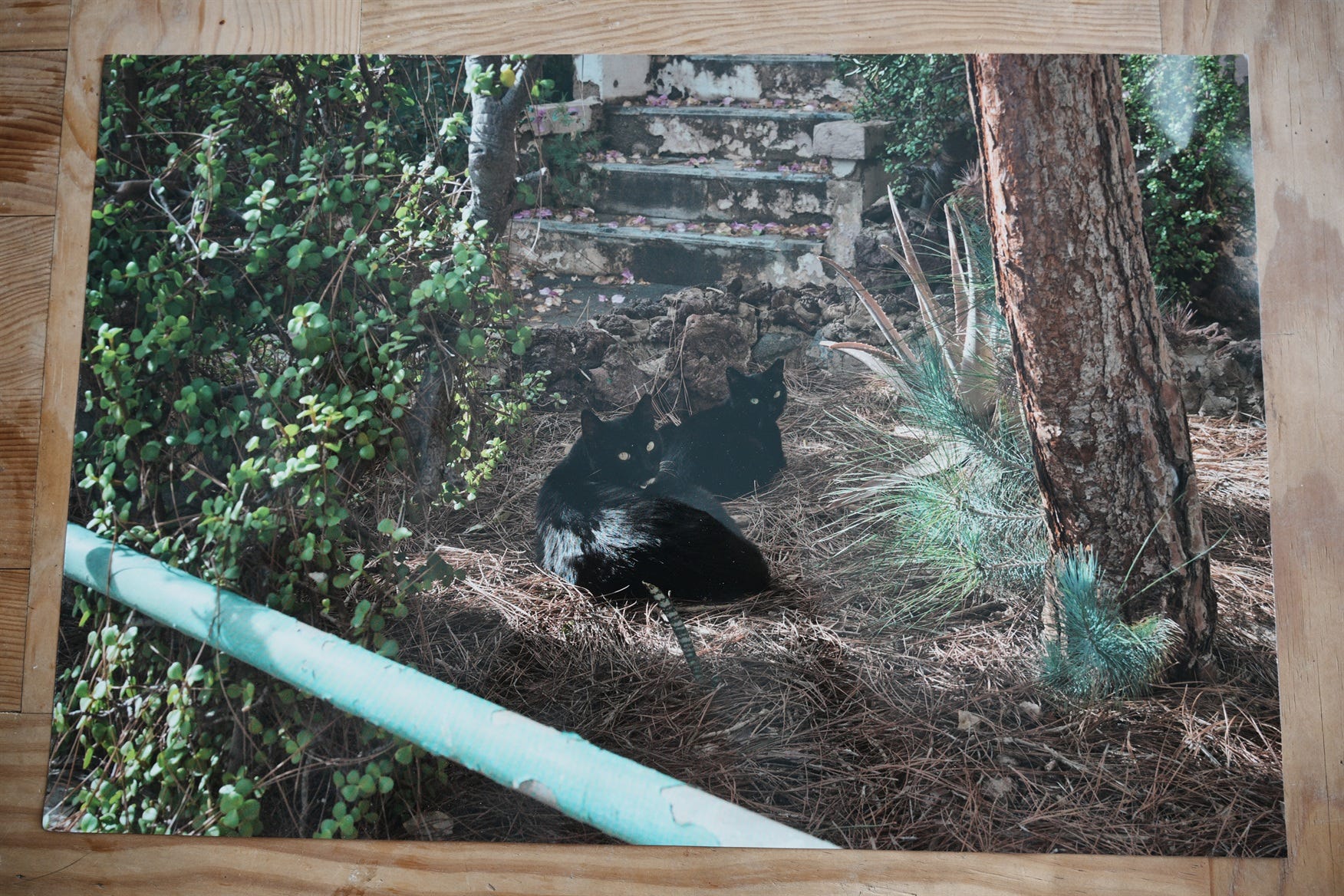
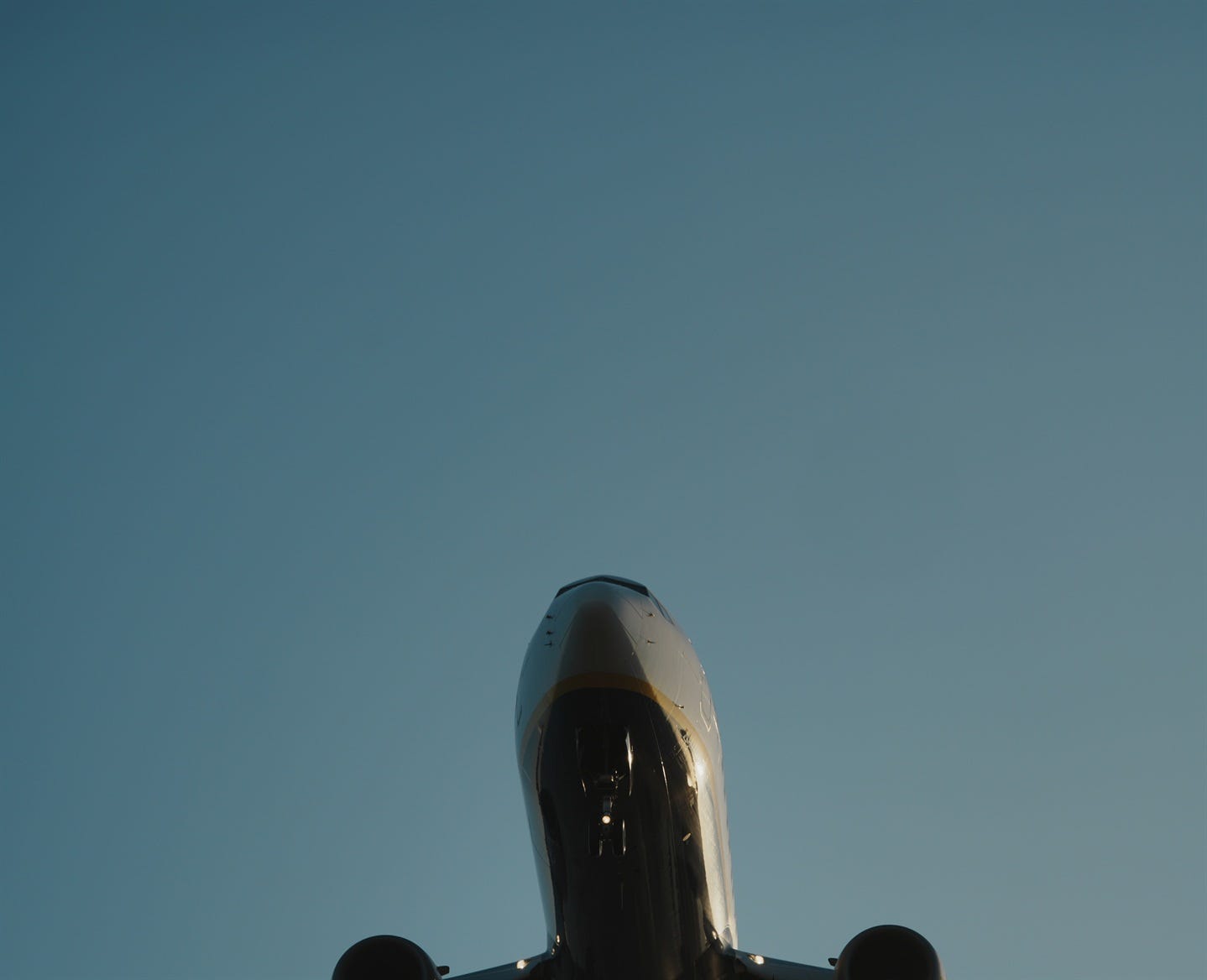
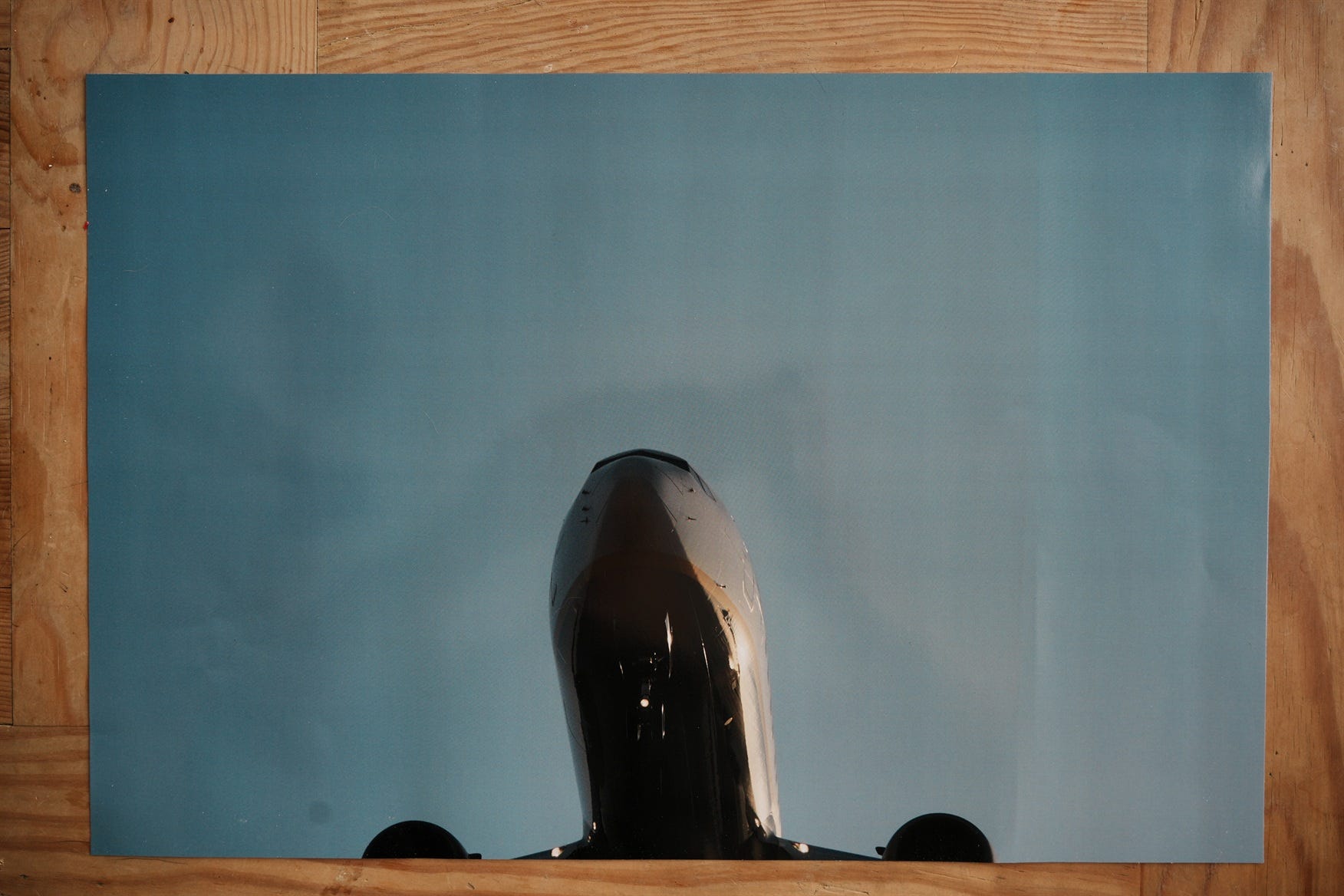
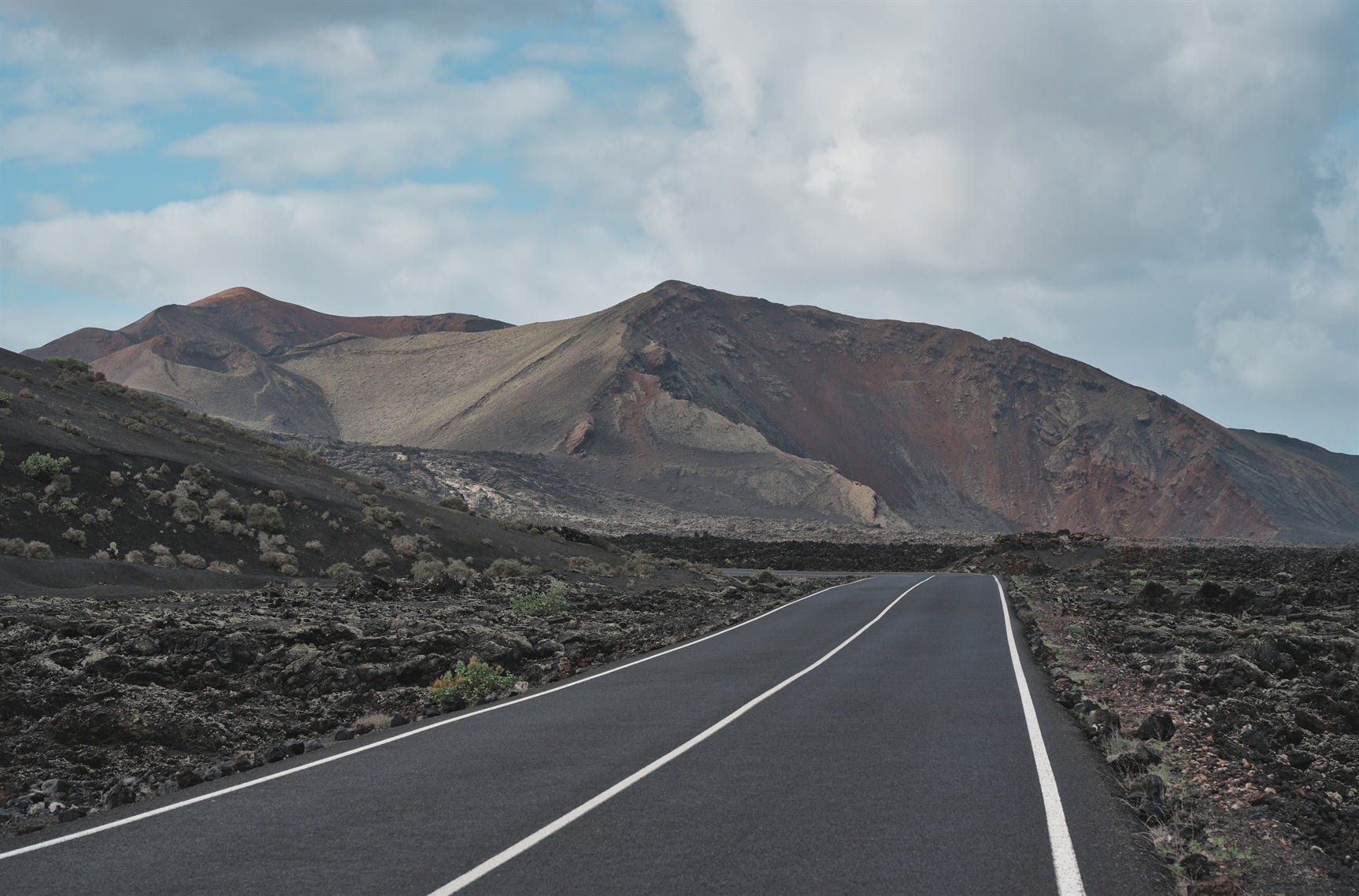
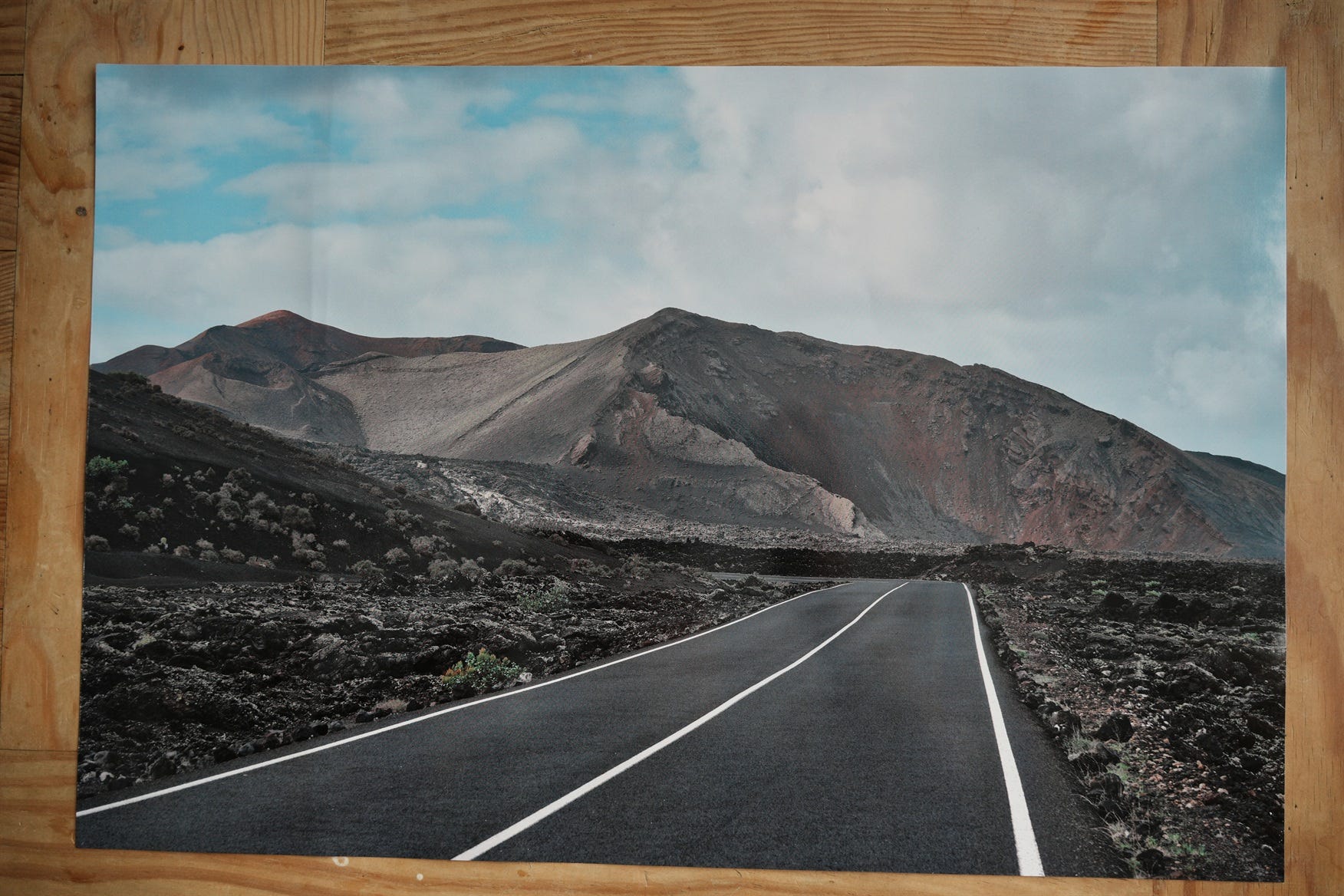
In the meantime there’s still a lot to learn, so lately I’ve been studying the technical side of photographic printing production. At the same time I ordered some A3 test prints from an online service to experiment and spot my mistakes firsthand. The results came back with some clear flaws, but the goal was to gain real knowledge and hands-on experience —and that part worked. I’ll keep at it.