In this post I’m going to talk about photography, and this will change the way you look at other people’s photos from now on.
There are basically two ways of working in street photography (and it applies to other genres too), and they affect both the photographer’s experience and the kind of images that end up being produced. Most people can already sense the difference without putting it into words, but once someone points it out, you’ll never look at a photo the same way again: you’ll spot which approach was used, and you’ll feel much closer to the photographer because you understand how the picture came to be.
“Fishing” refers to photographs that require planning, preparation, and often a good deal of patience while you wait for the exact moment. The photographer already knows what they want before pressing the shutter. They find the right spot, frame the scene carefully, choose the angle they need, adjust the light if they can, or simply wait until the natural light becomes exactly what they pictured in their head. And if they’re shooting on the street, they wait for the right person to walk into precisely the right place—or for every element to align the way they had already visualized. Images created this way tend to be more beautiful, more “perfect,” and more graphically striking.
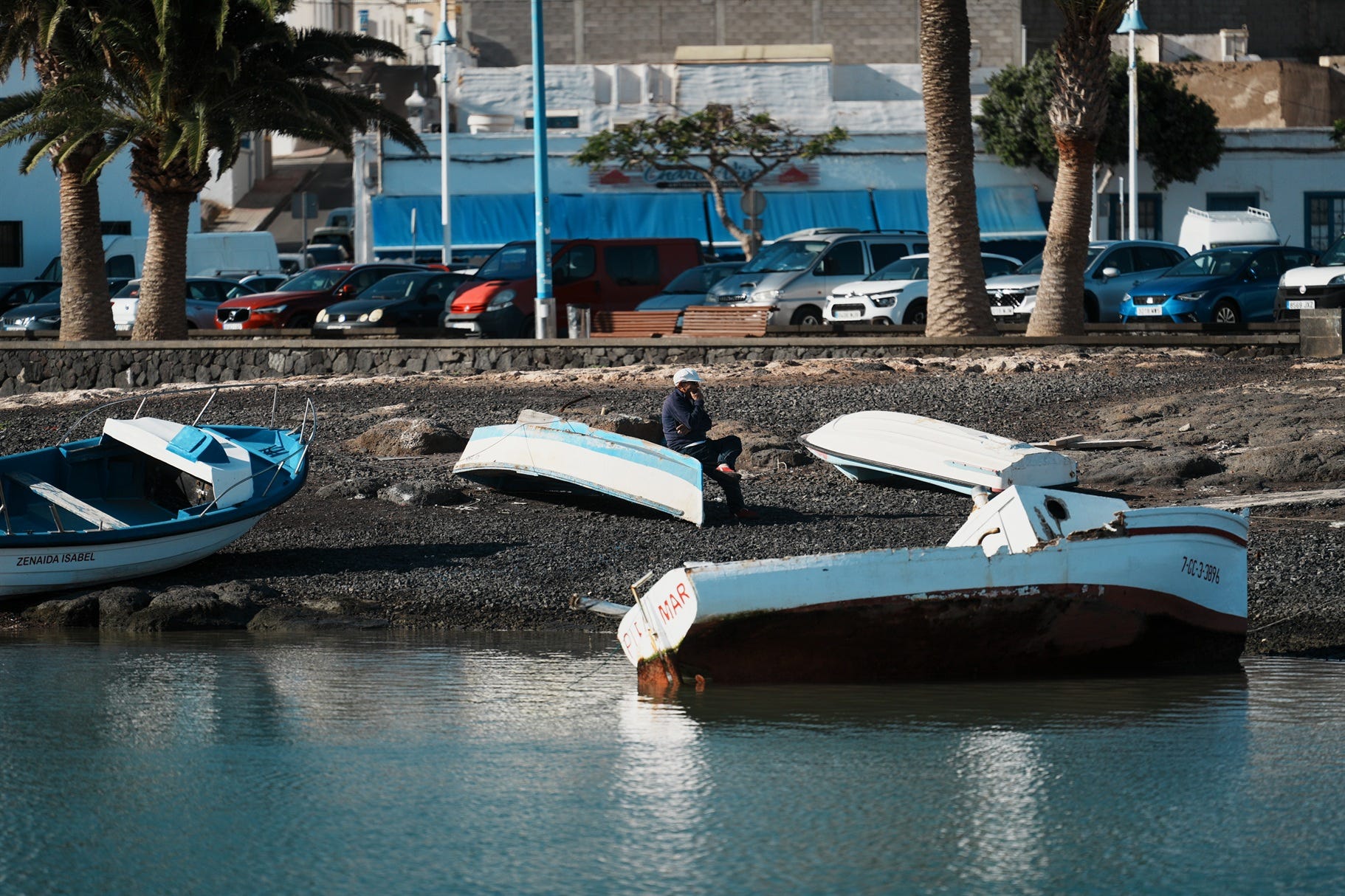
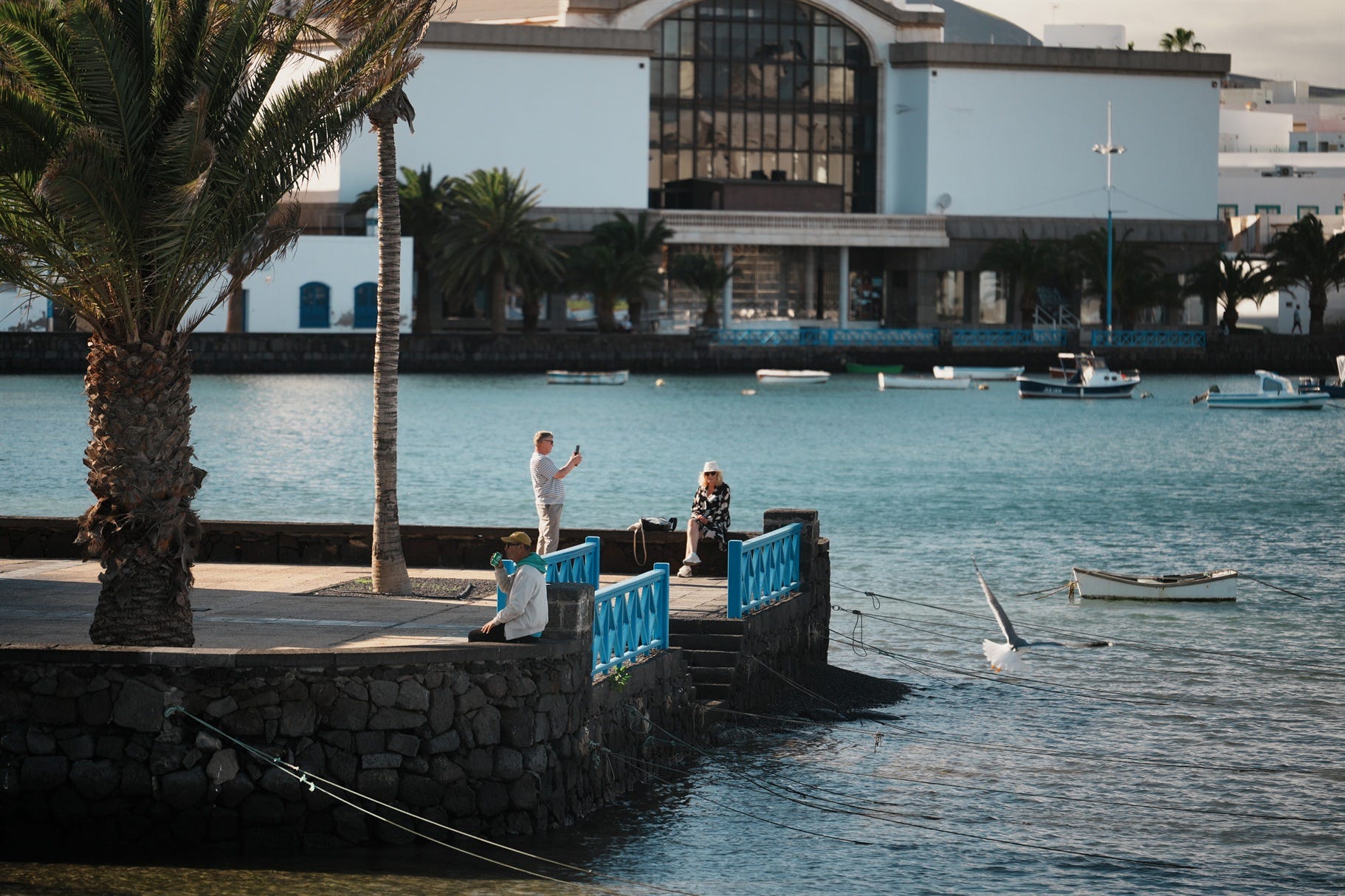
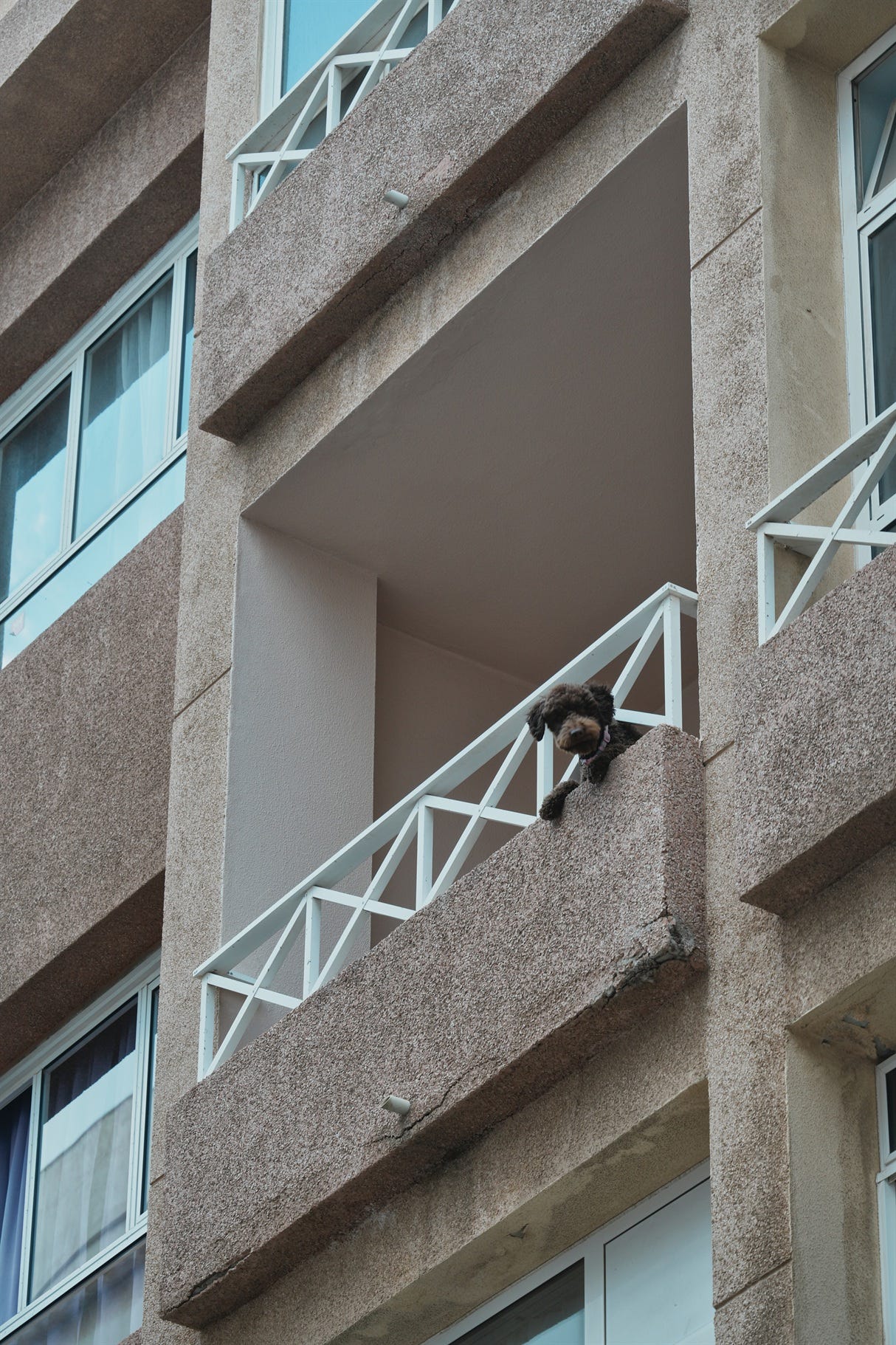
“Hunting,” on the other hand, is about spontaneous capture. The hunting photographer doesn’t know what they’re going to find. They just pick up the camera and shoot whatever catches their eye in the moment. The picture isn’t the result of calculation or advance setup; the photographer acts far less like a craftsman building a scene and much more like a quiet witness to whatever happens around them. Photos made this way usually give up technical perfection—composition, lighting, precision—in exchange for freshness, naturalness, and a stronger sense of being immersed in real life.
Both approaches have their own value. Which one you lean toward usually depends on your personality, your creative needs at that moment, or the specific goal you have for the photograph (getting likes on social media, for instance). Sometimes a single image can show traces of both mindsets, but in most cases you’ll be able to look at almost any photo from now on and tell pretty quickly which path the photographer took.
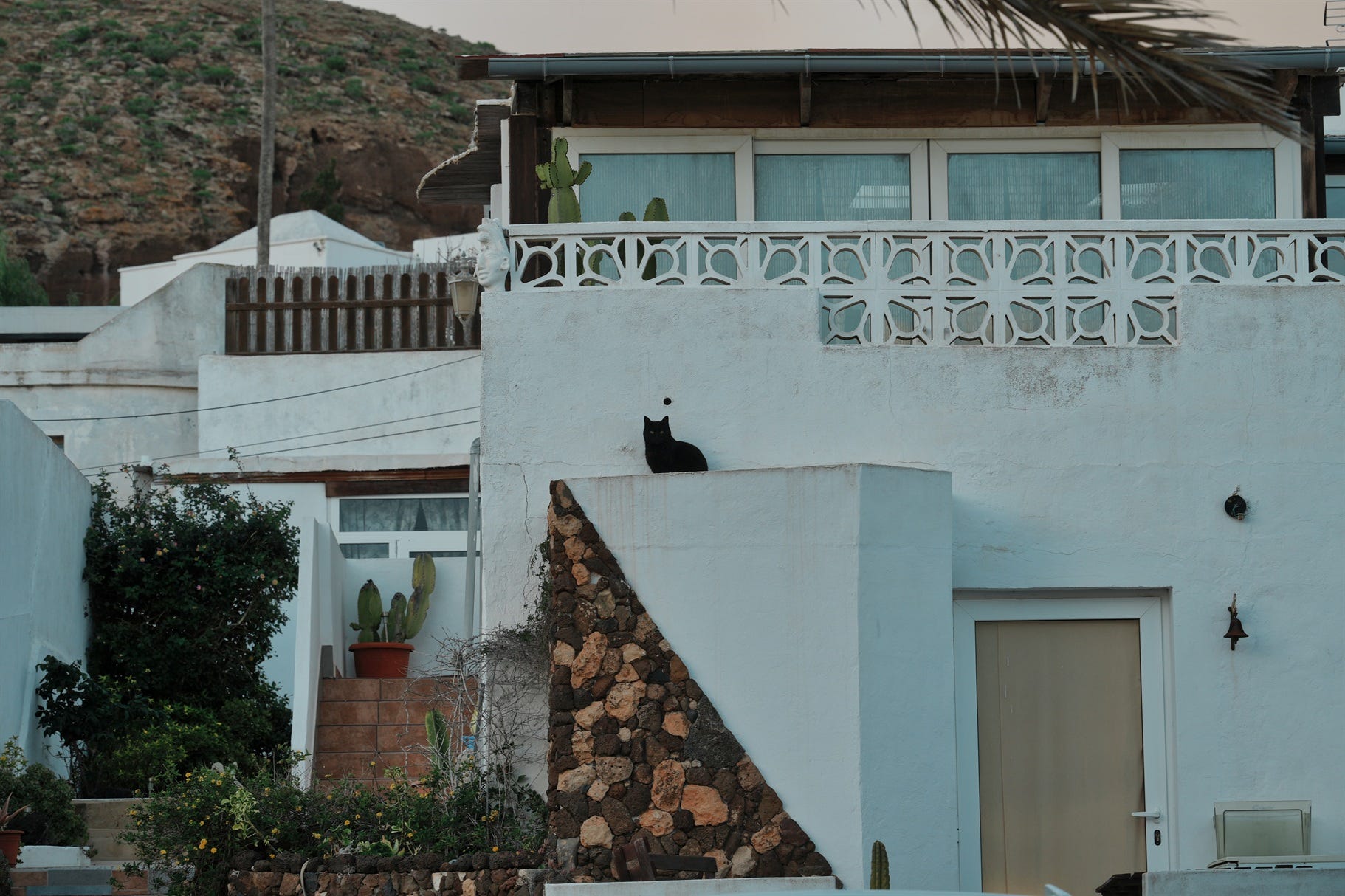
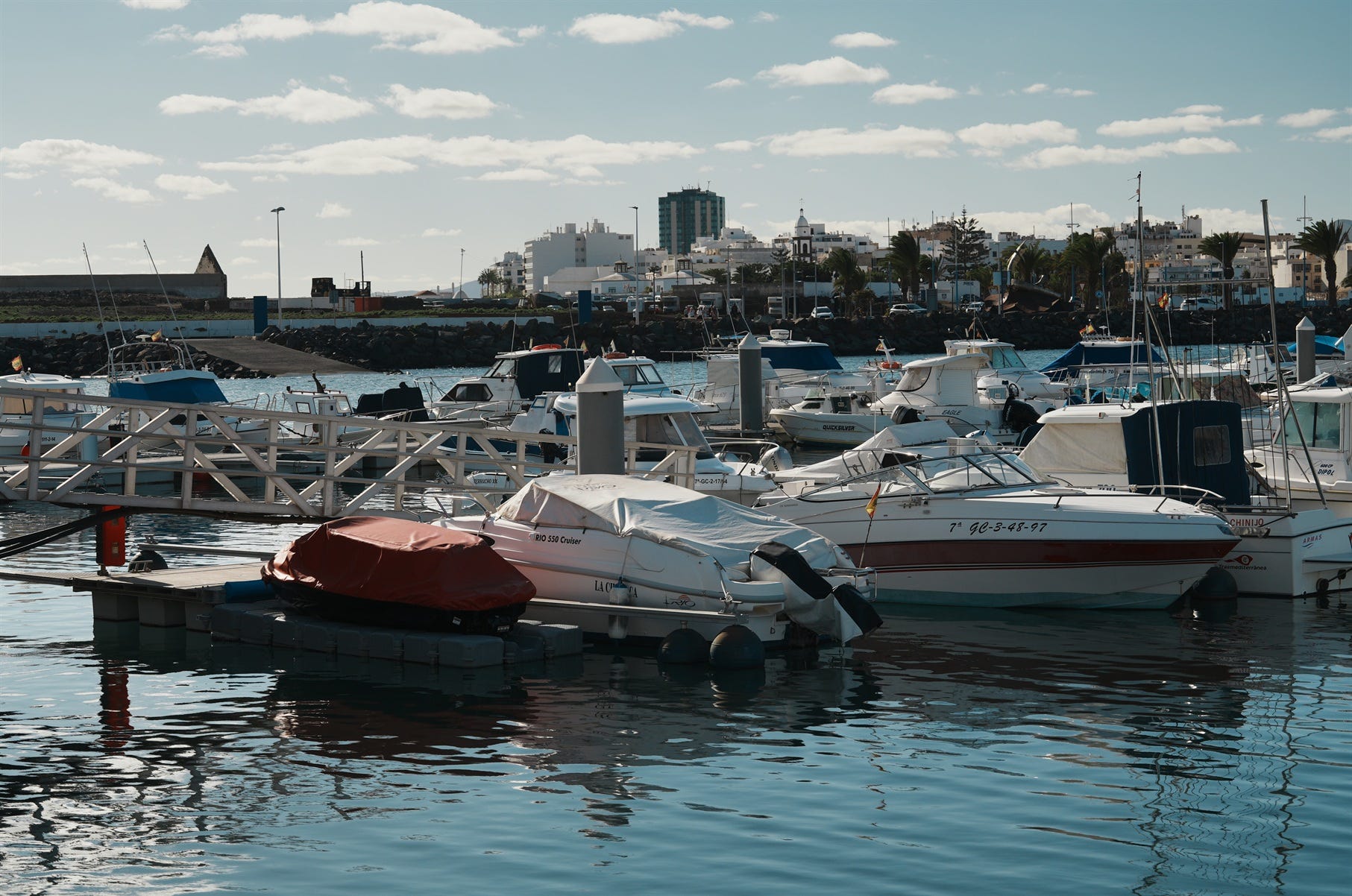
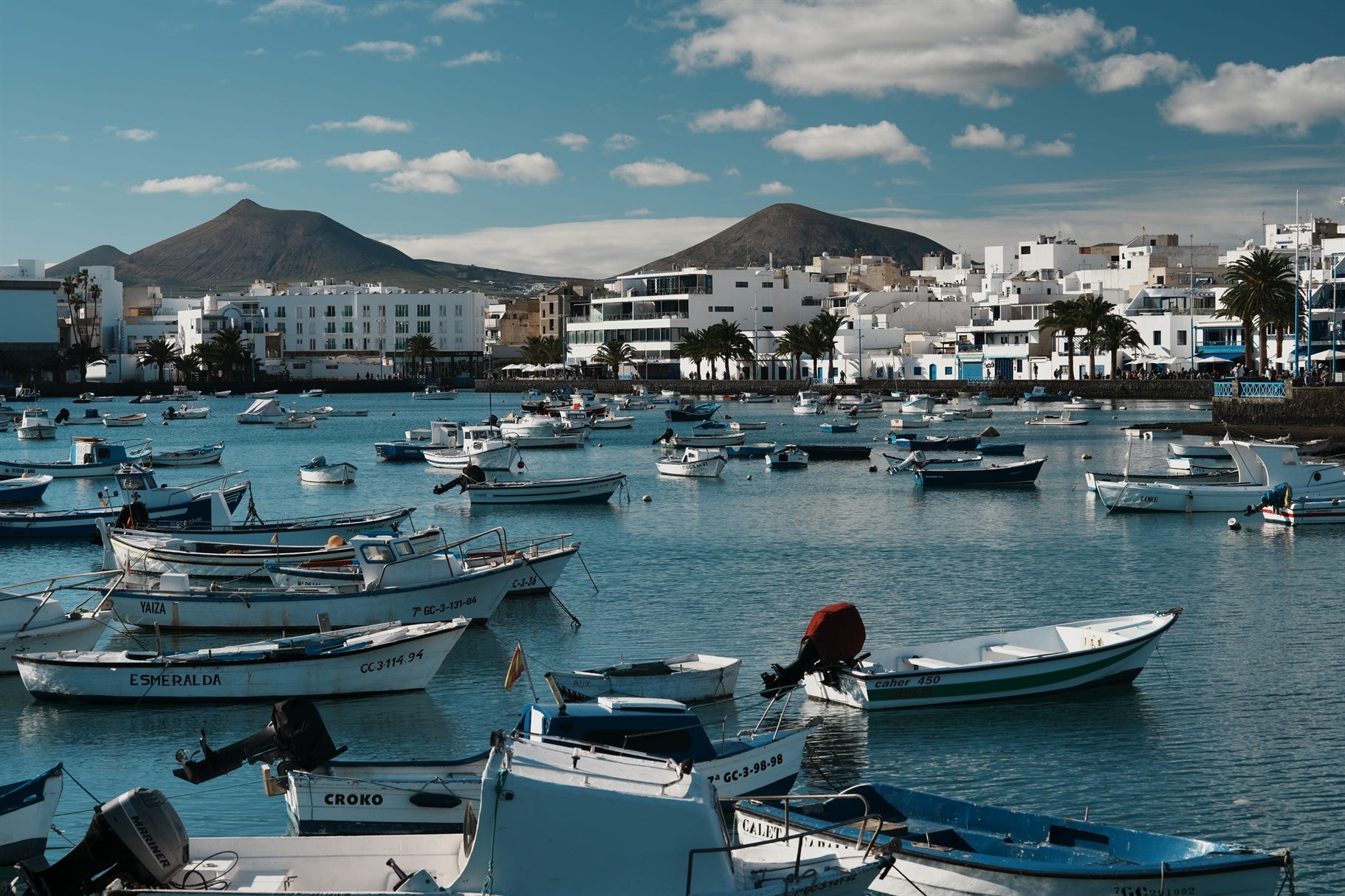
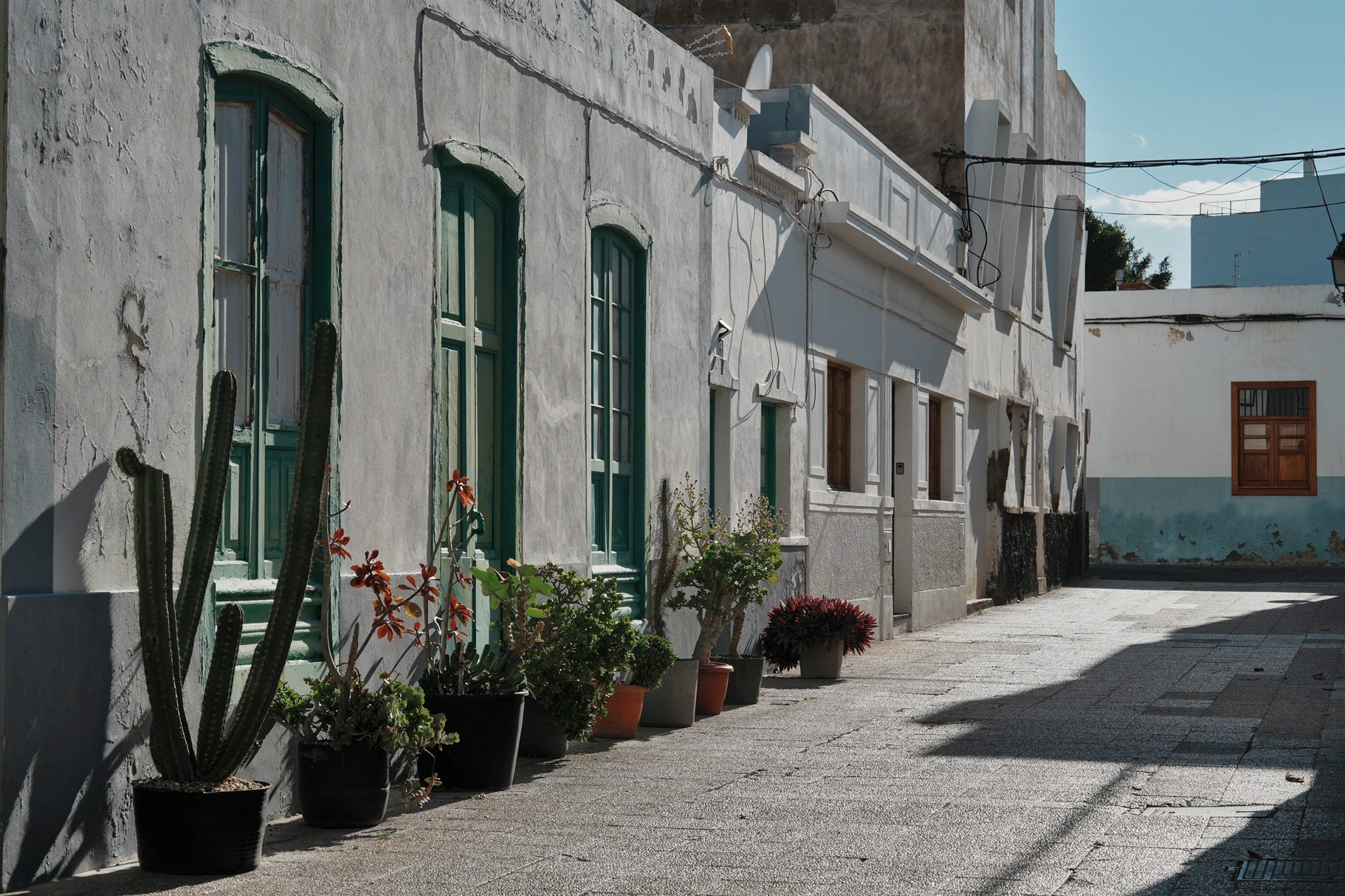
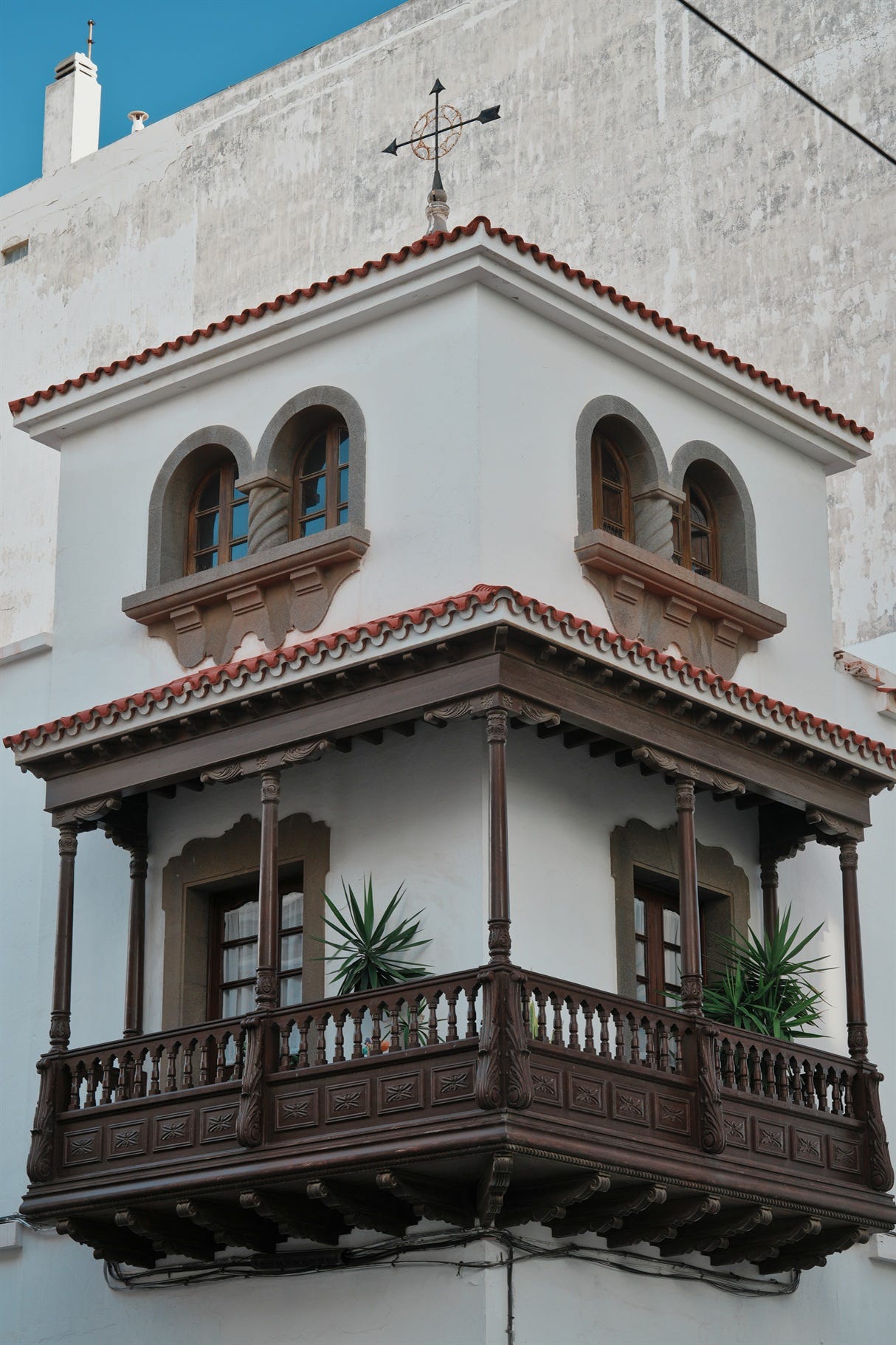
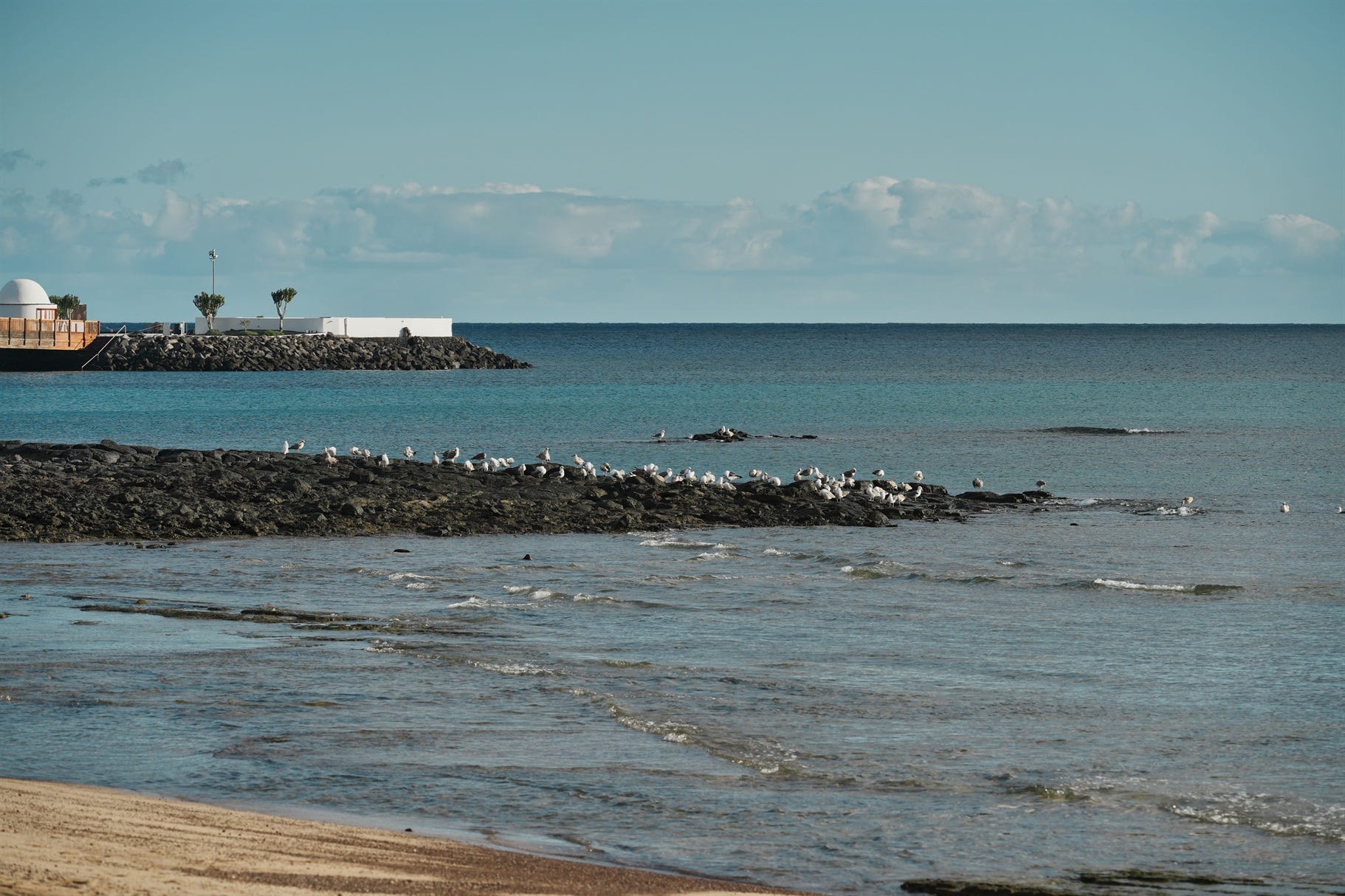
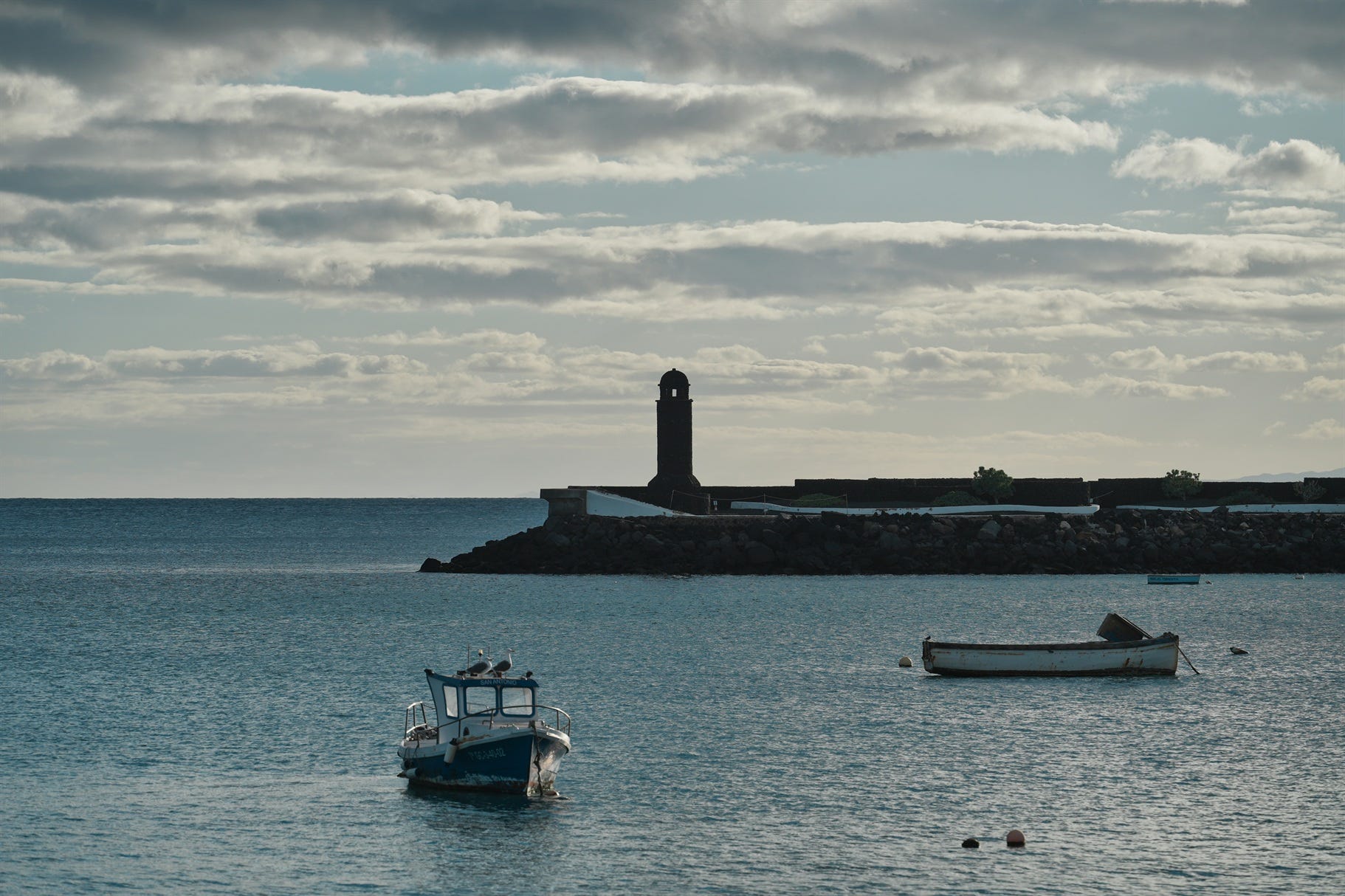
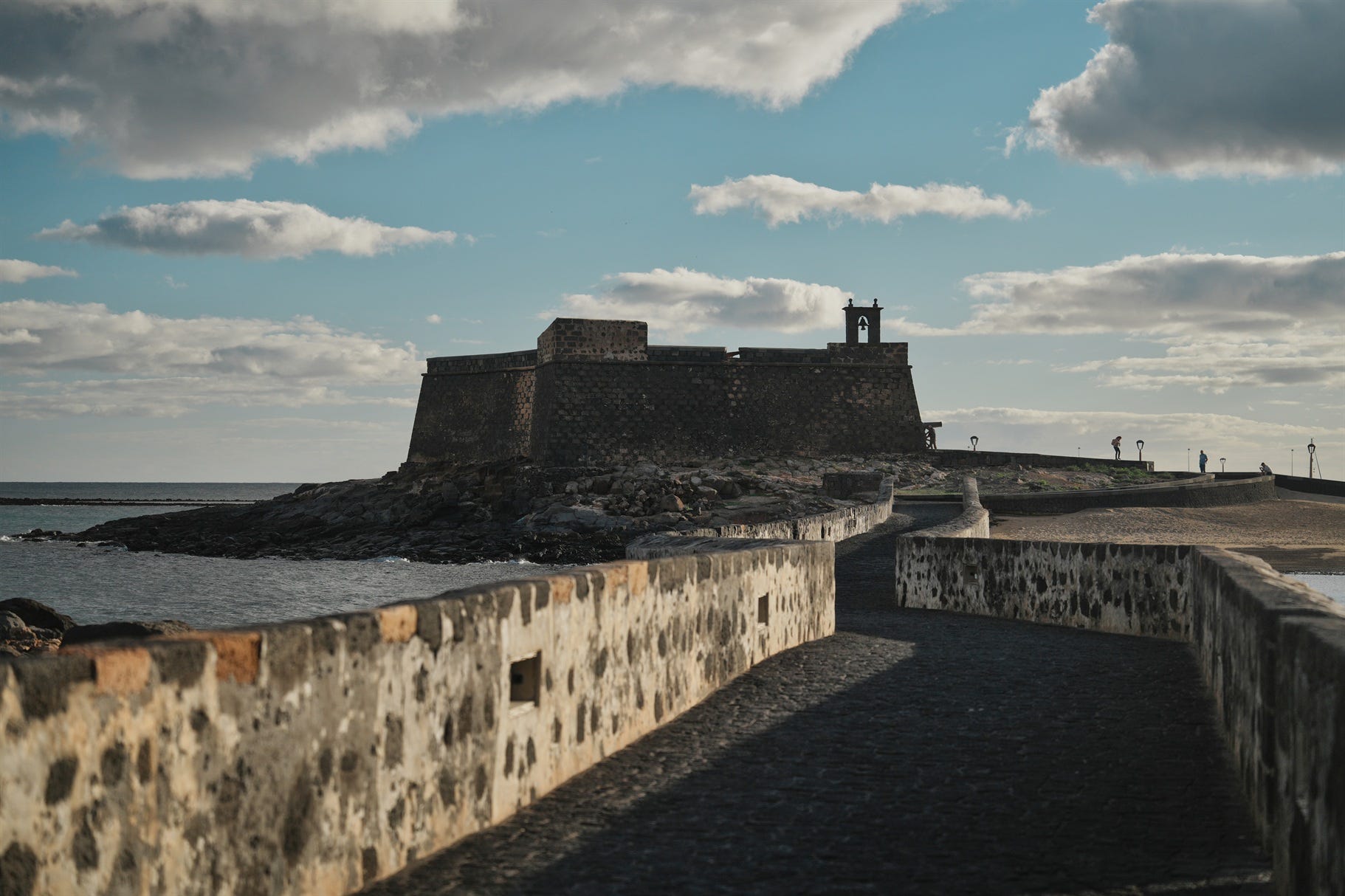
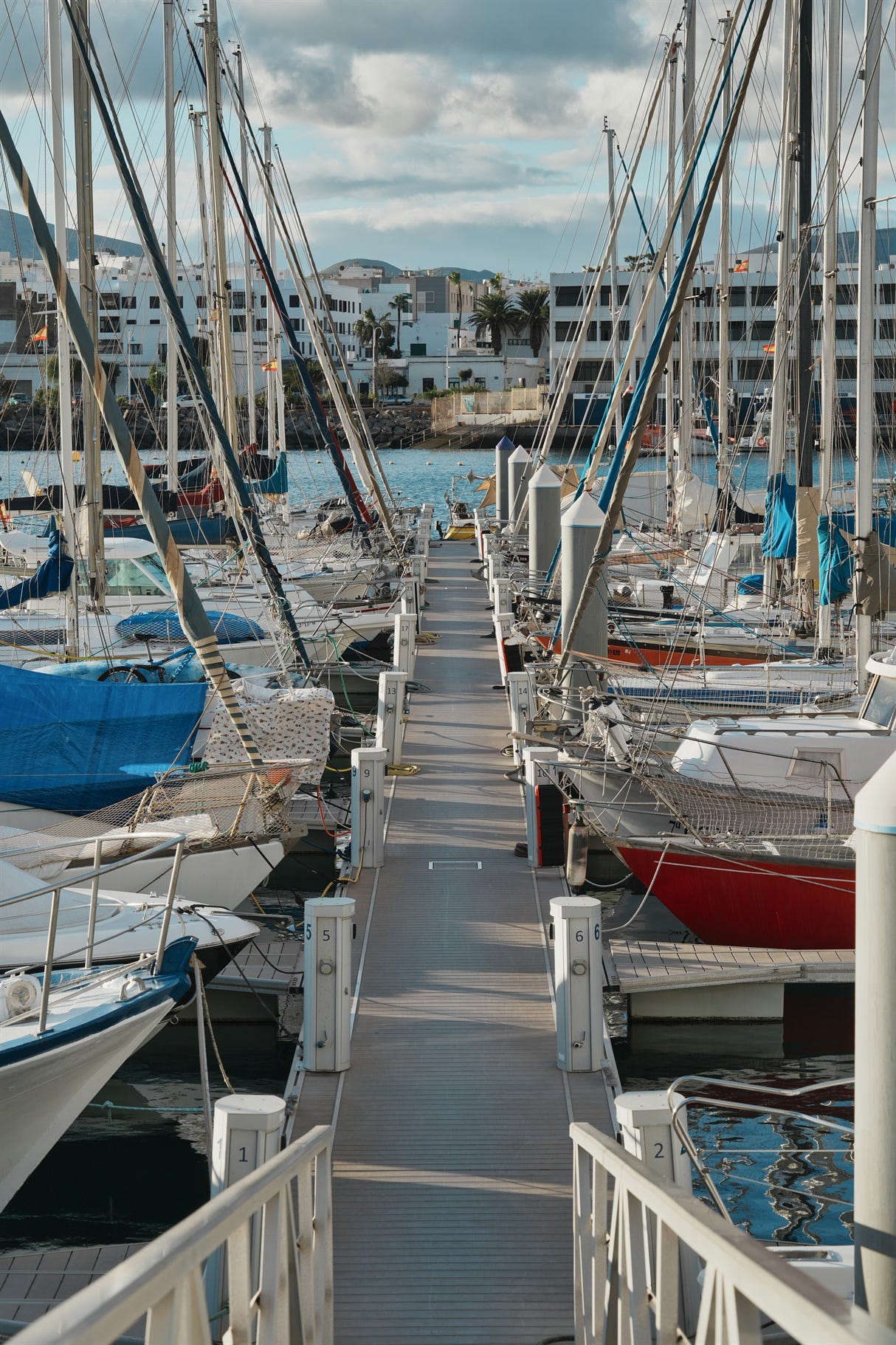
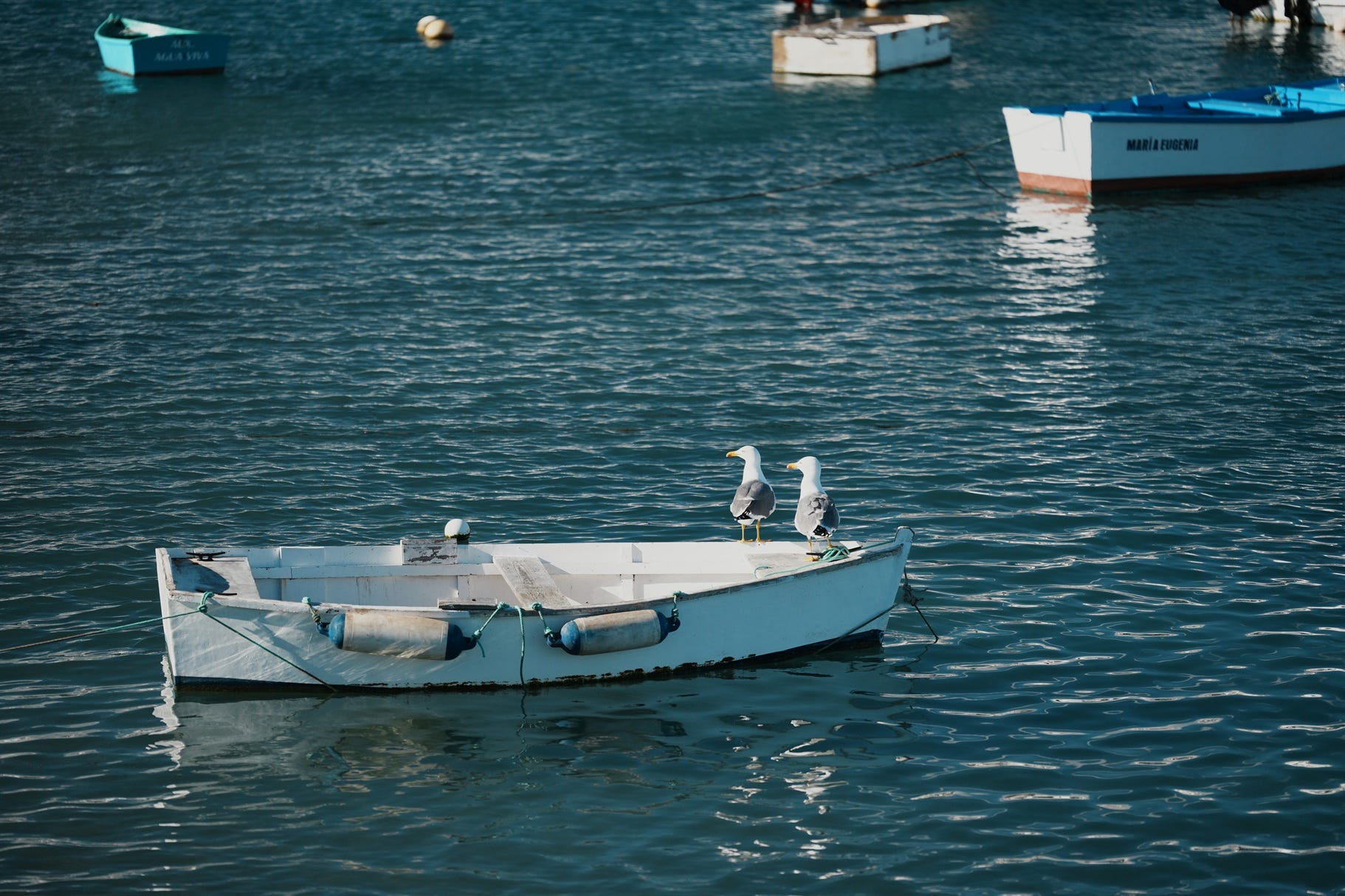
Yesterday afternoon I was in the island’s capital (Arrecife), and since the temperature was nice and there were still a couple of hours of good light left, I decided to walk around with the camera and see what happened. It’s a small city with very narrow streets in the older parts, so a fishing photographer would probably think twice and bring a wide-angle lens to capture what they want even without much distance. But I want to be a ghost—and a ghost, by definition, has to be a hunter. I was carrying a long zoom, completely the wrong tool for those tight streets, so I had to make do and stick mostly to open areas. Still, I enjoyed the walk.